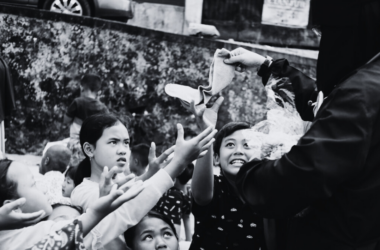
The Impact of Disasters on Families and Communities
Natural disasters, from earthquakes to hurricanes, can have devastating effects on families, displacing them from their homes, disrupting their daily routines, and in the worst cases, leading to the loss of loved ones. The suddenness of such events can leave families feeling helpless, struggling to piece together their lives amidst the chaos. Supporting a family after a disaster means more than just providing immediate relief; it involves aiding them in restoring their sense of security and normalcy. It’s crucial to understand that the impact goes beyond physical damage. Emotional and psychological trauma often lingers long after the floodwaters have receded or the fires have been extinguished.
Beyond the immediate need for food, water, and shelter, families need emotional support, community connection, and the assurance that they are not alone. They require guidance on accessing resources and rebuilding their lives. This multifaceted approach to support can make a significant difference in helping families recover and thrive after a disaster. When communities come together to support family members after a disaster, it not only helps in rebuilding homes but also rekindles hope and strength.
Immediate and Long-Term Support Strategies
When providing support to a family after a disaster, a combination of immediate and long-term strategies is needed. In the immediate aftermath, necessities like food, clean water, clothing, and shelter are critical. Organizations and volunteers can assist in setting up temporary shelters and distributing emergency kits. Beyond that, emotional support and mental health services are essential. Children, in particular, may struggle to process the sudden changes and need specialized care to ensure they are not overwhelmed by the trauma.
Long-term strategies are just as important. Financial support, employment assistance, and educational services can help families get back on their feet. Facilitating access to affordable housing, repairing damaged properties, and offering job training programs can empower families to regain stability. Supporting a family after a disaster means investing in their future, enabling them to rebuild their lives with dignity and independence. By staying involved beyond the initial crisis, communities can ensure that families are not forgotten once the media attention fades and immediate relief efforts wind down.
The Role of Community and Charity Organizations
Communities play a crucial role in providing support to families after a disaster. Local organizations, charities, and even individuals can come together to mobilize resources, raise funds, and provide hands-on assistance. The presence of a strong community network assures affected families that they are not alone in their recovery journey. Grassroots initiatives, faith-based organizations, and neighbourhood groups are often the first to respond, providing not only tangible aid but also emotional and social support.
Charity organizations also step in with specialized expertise and resources. They can facilitate long-term recovery programs, including housing reconstruction, educational support for children, and healthcare services. These organizations understand that to support a family after a disaster, it’s essential to address not just their physical needs but also their emotional and psychological well-being. By partnering with local communities, charities can tailor their interventions to suit the unique needs of each family, ensuring that support is both effective and meaningful.
How You Can Make a Difference
You don’t have to be a part of a large organization to make an impact. There are countless ways individuals can help support family members after a disaster. From donating money to volunteering your time, every contribution counts. Monetary donations can go a long way in providing food, shelter, and medical care. If you have professional skills like carpentry, plumbing, or counselling, consider volunteering your services. Even small acts of kindness, like helping families navigate relief programs or offering a listening ear, can make a world of difference.
Additionally, you can support families after a disaster by spreading awareness about their needs. Use social media to share credible fundraising campaigns and urge your network to contribute. Advocate for stronger disaster preparedness policies to reduce the impact on vulnerable communities. By taking these small yet significant steps, you contribute to creating a supportive environment where families can recover and rebuild. Remember, supporting a family after a disaster is about more than just temporary relief; it’s about empowering them to rebuild stronger than before.
Call-to-Action: If you’ve ever wondered how you can help families devastated by disasters, now is the time to act. Your contribution, no matter how small, can help provide shelter, food, and hope to those who need it most. Support family members after a disaster by donating to trusted organizations and volunteering your time. Together, we can make a difference, restoring hope and rebuilding lives. Donate today and be a part of the change!