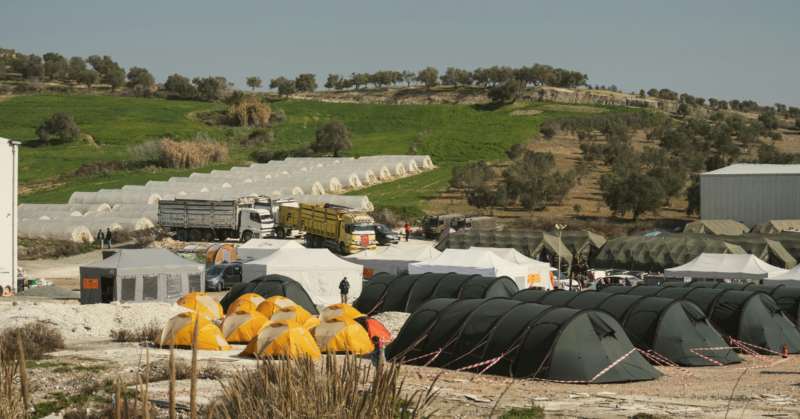
Introduction: The Need for Inclusive Preparedness
Disasters, whether natural or man-made, disrupt communities and leave lasting impacts. However, their devastation isn’t distributed evenly. While society has made strides in preparedness, the gaps in accessibility remain stark. Everyone deserves a safe place during emergencies, yet for many, disaster shelters are a source of difficulty rather than relief. Accessible disaster shelters for all should not be an afterthought but a cornerstone of emergency planning. By focusing on inclusivity, we not only protect lives but also affirm the fundamental dignity of every person.
Challenges Faced by Vulnerable Populations
Vulnerable populations often bear the brunt of disasters. For people with disabilities, older adults, and families with young children, conventional shelters can be riddled with barriers. Imagine arriving at a shelter after fleeing a hurricane, only to find stairs without ramps, narrow doorways, or bathrooms that don’t accommodate assistive devices. Similarly, those with sensory disabilities might struggle in noisy, overcrowded environments that fail to consider their specific needs.
Socioeconomic disparities compound these challenges. Marginalized communities often lack access to the resources needed to prepare adequately, leaving them reliant on public systems that may not serve them effectively. Language barriers, too, can impede non-native speakers from understanding evacuation protocols and navigating shelters. Inaccessible shelters don’t just inconvenience; they put lives at risk and deepen existing inequalities. The need for accessible disaster shelters for all has never been more pressing.
Designing Accessible Disaster Shelters for All
Creating shelters that truly serve everyone requires intentional design and systemic change. Here are key principles to guide the development of inclusive shelters:
- Physical Accessibility: Shelters should adhere to universal design principles. This includes ramps, wide doorways, accessible bathrooms, and barrier-free pathways. Elevators or lifts should be present in multi-story shelters, ensuring mobility isn’t restricted.
- Sensory-Friendly Spaces: Quiet rooms for individuals with sensory sensitivities can provide much-needed relief. Thoughtful acoustics, dimmable lighting, and clear visual signage make environments more navigable for people with sensory processing challenges or neurodivergence.
- Clear Communication: Multilingual materials, sign language interpreters, and assistive technologies ensure that critical information reaches everyone. Real-time captioning and braille resources add another layer of accessibility for those with sensory impairments.
- Adequate Training for Staff: Shelter personnel should receive training on how to assist individuals with diverse needs compassionately and effectively. Familiarity with assistive devices and an understanding of disability etiquette can make a significant difference.
- Health and Wellness Amenities: Many vulnerable populations require ongoing medical care, mobility aids, or specific dietary considerations. Shelters should be equipped to store medications, provide specialised meals, and accommodate medical devices like oxygen tanks.
Investing in these measures ensures that shelters are prepared to serve not just the general public but the full spectrum of human needs. Transforming the vision of accessible disaster shelters for all into reality means making inclusivity a non-negotiable aspect of disaster planning.
Your Role in Building a Safer Society
Addressing the accessibility gap is a shared responsibility. While governments and organizations lead large-scale efforts, individuals and communities can also make an impact. Here’s how you can contribute:
- Donate Resources: Your contribution can help fund the retrofitting of shelters with essential accessibility features. Equipment like ramps, assistive devices, and communication tools often comes down to budget constraints.
- Raise Awareness: Engage with local leaders to advocate for inclusive emergency plans. Educate your community about the importance of accessibility and highlight areas that need improvement.
- Volunteer Your Time: Volunteer at shelters or participate in disaster drills. By gaining firsthand knowledge, you’ll better understand the gaps and be empowered to push for change.
As we face increasing natural disasters due to climate change, the need for accessible disaster shelters for all will only grow. Imagine a society where no one is left behind, where everyone, regardless of ability, socioeconomic status, or age, has a secure refuge. It’s an achievable vision—but we must act together to make it a reality.
Let’s work to protect not just some, but all when disasters strike. Make a difference today by donating to organizations committed to creating accessible and inclusive disaster shelters. Together, we can ensure safety for everyone.