The Vision for an Inclusive Public Park
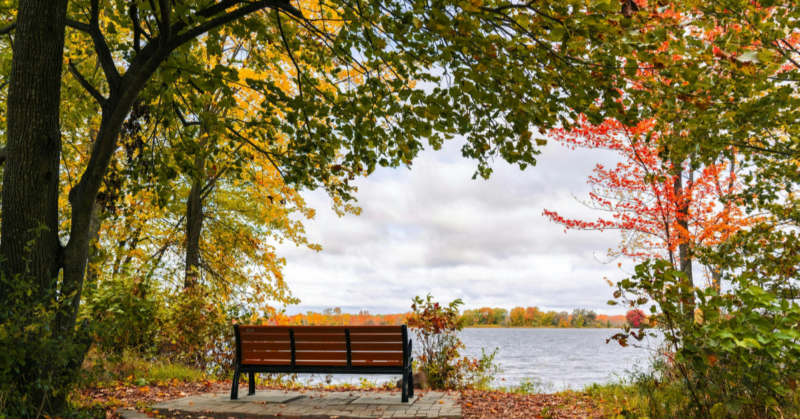
Imagine a serene, green oasis where children laugh, families picnic, and people from all walks of life gather to connect with nature. Now imagine that same park, but with a clear, thoughtful design ensuring everyone, including those who use wheelchairs, can experience its beauty without barriers. This is the heart of a public park wheelchair accessibility project.
Creating an accessible public park isn’t just about adding ramps or widening pathways. It’s about reimagining the space entirely. From smooth, even trails to adaptive playground equipment and accessible restrooms, each feature ensures that visitors of all abilities feel welcome. A truly inclusive park embraces the idea that nature and recreation are for everyone, not just a select few.
Why Accessibility in Public Parks Matters
For many, a stroll through the park is a simple pleasure. But for people with mobility challenges, that same walk can feel like an impossible task. Uneven paths, narrow bridges, and steps can turn a beautiful park into an obstacle course. This is where a public park wheelchair accessibility project becomes essential.
Parks are more than green spaces — they’re places of social interaction, physical activity, and mental rejuvenation. Research shows that spending time outdoors improves overall well-being, yet millions of people with disabilities miss out on these benefits due to poor accessibility. An accessible park empowers everyone to enjoy these advantages, fostering a more connected and compassionate community.
The Impact of Wheelchair-Accessible Parks
The ripple effects of a successful public park wheelchair accessibility project extend far beyond the park’s borders. It promotes social inclusion, making it possible for friends and families to enjoy time together without leaving anyone behind. Imagine a grandparent in a wheelchair joining their family for a Sunday picnic or a child with limited mobility playing alongside their peers — these are the moments that build stronger, more inclusive communities.
Accessible parks also create economic and social value. They attract a wider range of visitors, encouraging tourism and local spending. More importantly, they set a powerful example of empathy and equity in urban planning, inspiring other communities to follow suit.
How You Can Make a Difference
The truth is that creating a fully accessible park requires more than vision and goodwill — it needs funding. From specialized materials to adaptive equipment and expert planning, every element adds to the cost. But together, we can turn this dream into reality.
Join the movement to make public spaces truly inclusive. Support a local public park wheelchair accessibility project by donating today. Every contribution — no matter how small — helps break down barriers and build a better, more inclusive tomorrow.
Let’s make a lasting impact on our communities. Donate to support public park accessibility projects and give everyone the chance to enjoy the outdoors. Together, we can create spaces where no one feels left out. Will you help make the change today?