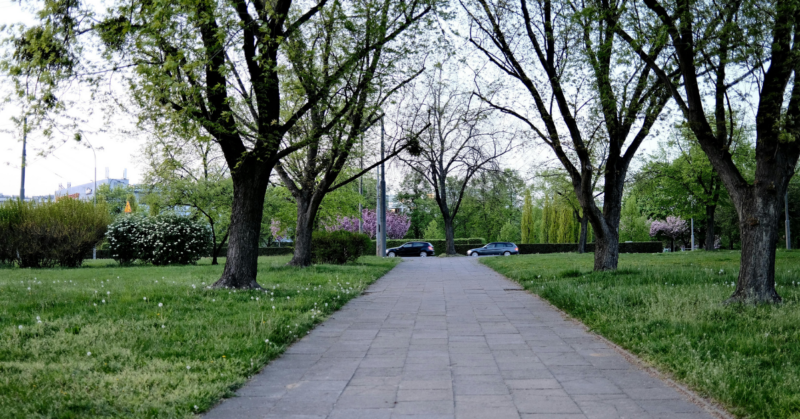
Introduction: The Need for Public Green Infrastructure
Cities are more than their towering skylines and bustling streets. They are ecosystems where humanity and nature must co-exist harmoniously. As the world faces growing urbanization, the strain on resources and the environment has reached an all-time high. This challenge calls for innovative solutions, and public green infrastructure development has emerged as a crucial answer.
From parks and green roofs to urban wetlands and tree-lined streets, these projects are designed to improve urban living by integrating natural elements into man-made environments. But why does it matter? Beyond aesthetics, green infrastructure addresses critical issues like air quality, urban flooding, and climate change. It’s time we shifted our focus to these transformative ideas to shape a sustainable future.
What is Public Green Infrastructure Development?
Public green infrastructure refers to strategically planned networks of natural and semi-natural spaces that offer environmental, social, and economic benefits. These spaces can be as expansive as a city park or as simple as a rain garden on a street corner. Unlike traditional grey infrastructure (think concrete and steel), green infrastructure prioritizes ecological processes, making cities resilient against natural and man-made challenges.
Consider the impact of a well-designed community park. It not only serves as a recreational spot but also promotes biodiversity, captures rainwater, and combats the urban heat island effect. Examples from cities like Singapore, which boasts a green canopy that covers over 50% of its area, demonstrate the potential of green infrastructure to redefine urban landscapes.
The Socio-Economic and Environmental Benefits
The benefits of public green infrastructure development extend far beyond the physical landscape. Let’s delve into its multi-faceted impacts:
- Environmental Benefits:
- Reduced Flood Risks: Green infrastructure, like bioswales and permeable pavements, helps manage stormwater and prevent urban flooding.
- Improved Air Quality: Plants absorb pollutants and release oxygen, making cities healthier to live in.
- Climate Change Mitigation: By incorporating green spaces, cities can reduce the urban heat island effect, leading to lower energy consumption for cooling.
- Socio-Economic Benefits:
- Enhanced Well-being: Proximity to green spaces has been linked to better mental health, reduced stress, and higher physical activity levels.
- Boosted Economy: Cities with ample green infrastructure often attract businesses, tourism, and higher property values.
- Community Engagement: Green projects bring neighbourhoods together, fostering collaboration and pride.
- Biodiversity Preservation: Green roofs, urban forests, and restored wetlands provide habitats for flora and fauna, supporting ecosystems even within densely populated cities.
Barriers and Challenges to Implementation
Despite its immense potential, the path to widespread green infrastructure adoption is riddled with challenges:
- Financial Constraints: Green infrastructure projects often require substantial upfront investment, which can deter stakeholders.
- Lack of Awareness: Policymakers and residents may prioritize short-term goals over long-term sustainability benefits.
- Urban Space Limitations: Densely populated cities often struggle to find room for expansive green projects.
- Policy and Planning Gaps: Without integrated planning and legislative backing, green infrastructure often takes a back seat.
However, these hurdles are not insurmountable. Cities like Portland, Oregon, and Copenhagen have successfully integrated green infrastructure into their urban planning frameworks. These examples remind us that vision and determination can break through barriers.
How You Can Make a Difference
Creating greener cities isn’t just the responsibility of governments and large organizations. Every individual can contribute to public green infrastructure development. Here’s how:
- Advocate for Change: Attend town hall meetings and push for greener initiatives in your local community.
- Educate Yourself and Others: Learn about the environmental challenges in your city and share the benefits of green infrastructure with others.
- Volunteer or Donate: Local NGOs and community groups working on green projects often need resources—whether it’s time, money, or skills.
- Incorporate Green Spaces: Planting trees, maintaining home gardens, or participating in neighbourhood green projects can make a significant impact.
Conclusion
Our cities need more than temporary fixes for urban problems. They demand sustainable solutions that work in harmony with nature—solutions that public green infrastructure development can provide. Together, we can transform our communities into healthier, more resilient places to live.
If you’ve been inspired to make a difference, don’t wait for someone else to take the lead. Your contribution—big or small—can spark meaningful change. Donate to organizations working tirelessly to integrate green infrastructure in urban spaces. Together, let’s create greener cities and brighter futures for generations to come.