

The Decline of the Arts in Urban Classrooms
Across many cities, art programs in public schools are rapidly disappearing. Budget cuts, increased focus on standardized testing, and overcrowded classrooms have left little room for creative expression. For students in underfunded urban districts, access to art is now a luxury—when it should be a right. Gone are the days when children could explore painting, music, or theater after math class. Instead, urban youth are being deprived of one of the most powerful outlets for expression, identity, and emotional development.
The absence of art in education doesn’t just affect creativity—it impacts academic performance, mental health, and even community cohesion. Studies show that schools with strong art programs have higher attendance rates and better graduation outcomes. So why is urban art education the first to be sacrificed when budgets are tight?
Why Urban Art Education Deserves a Second Chance
Art is not merely a subject; it’s a language of its own. It teaches problem-solving, nurtures emotional intelligence, and builds self-confidence. For students growing up in inner cities—often grappling with poverty, violence, or instability—art offers more than just paint and brushes. It provides a safe space for self-expression and healing.
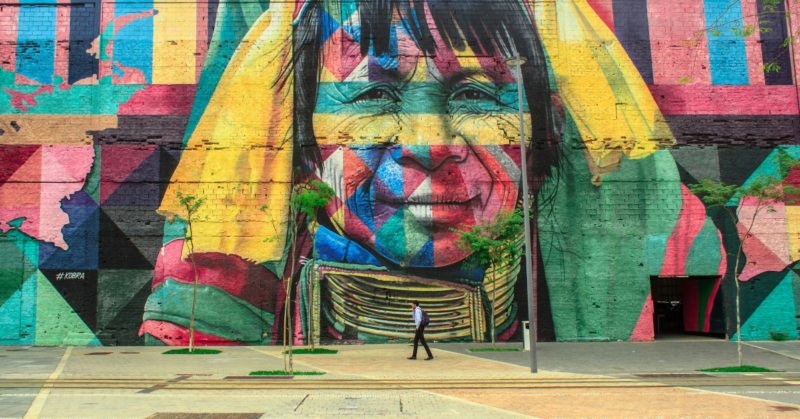
Moreover, urban art education often reflects the cultural and social narratives of the communities it serves. From murals to spoken-word poetry, students can use art to challenge stereotypes, spark dialogue, and reimagine their environments. Art makes education relevant—it allows students to see themselves in what they learn.
Yet despite these benefits, the arts remain underfunded and overlooked. That’s where a targeted urban art education funding campaign can change the narrative.
The Role of Funding Campaigns in Transforming Communities
Funding campaigns are more than just fundraising efforts—they are calls to action. A successful urban art education funding campaign can reintroduce creativity into schools that have been stripped of it. These initiatives help supply materials, hire qualified art educators, and build infrastructure that supports ongoing artistic development.
Grassroots campaigns, online crowdfunding, and local partnerships can all contribute to creating long-term impact. When donors support an urban art initiative, they are investing in more than just a paintbrush—they are helping to shape future leaders, innovators, and visionaries.
We’ve seen the results in cities that prioritized arts education: crime rates drop, student engagement increases, and neighbourhoods experience cultural revitalization. Art in schools acts like a heartbeat in a community—once you bring it back, the whole system starts to thrive.
An urban art education funding campaign doesn’t just change schools—it uplifts entire communities. And the best part? Anyone can contribute.
How You Can Be Part of the Solution
You don’t need to be an artist to support art. You just need to believe in the power of creativity to change lives. Whether you’re a parent, educator, business owner, or simply someone who cares about youth development, your support matters.
By donating to an urban art education funding campaign, you’re not only helping schools get the resources they desperately need, but you’re also showing students that their creativity matters. You’re saying that their voices deserve to be heard—and that their dreams are worth investing in.
Every dollar counts. From providing sketchbooks and instruments to funding after-school programs and gallery showcases, your contribution has a ripple effect extending beyond the classroom.
Conclusion
The future of our cities depends on the creativity of the next generation. However, without access to the arts, that creativity may go untapped. Don’t let talent go unnoticed. Join the movement to bring art back into urban classrooms.
Support an urban art education funding campaign today and help ignite the creative spark in tomorrow’s changemakers.
Donate Now and Transform a Life Through Art