

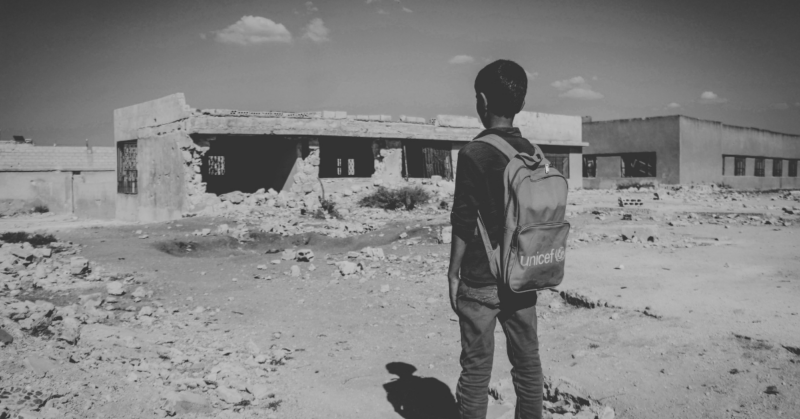
The Silent Power of Disasters – More Than Just Destruction
When we think of disasters – whether natural like hurricanes, earthquakes, or man-made like fires and explosions – what often comes to mind are the immediate consequences: loss of lives, flattened homes, and shattered communities. Yet, beyond the headlines and the heartbreak lies a deeper narrative, one less told, the resilience of humanity and the power of collective recovery.
Disasters leave behind more than debris; they create a vacuum of normalcy. Schools are reduced to rubble. Hospitals crumble. Roads vanish under mud and water. But what defines a community isn’t the disaster itself; it’s the spirit of rebuilding.
Across continents, we’ve seen stories of towns that refused to vanish into memory. What fuels this refusal is a combination of hope, strategy, and the unsung heroes behind the scenes—planners, builders, volunteers, and donors. Their efforts make recovery possible, inch by inch, brick by brick.
Rebuilding with Purpose – Laying the Foundation Right
Rebuilding is not about returning things to how they were—it’s about making them better, stronger, and more prepared for the future. After any large-scale disaster, the urgency to reconstruct is palpable. But without a solid plan, efforts can quickly turn into temporary fixes. That’s where thoughtful planning and sustainable construction practices step in.
Choosing the right construction materials is more than a technical decision. It’s about survival and longevity. In flood-prone areas, materials must resist moisture. In earthquake zones, flexibility and strength are key. Every material tells a story—of adaptation, resilience, and foresight.
But materials don’t appear magically. They require sourcing, logistics, skilled labour, and crucially, funds. Too often, local governments and affected communities lack the financial power to act swiftly. That’s when the power of global goodwill steps in. Contributions from individuals, organizations, and humanitarian bodies form the backbone of recovery funds, enabling communities not just to rebuild, but to build back better.
The Hidden Architecture of Recovery – People, Resources, and Determination
Recovery is a dance of logistics, empathy, and engineering. Behind every rebuilt school or clinic is a web of tireless individuals coordinating supplies, raising awareness, and ensuring transparent allocation of funds. But it’s not just about physical structures. It’s about rebuilding trust, restoring dignity, and rekindling community spirit.
After the devastating earthquake in Nepal, for instance, local teams partnered with international experts to construct homes using seismic-resistant designs and local materials. Not only did this reduce cost, but it also empowered the community to take ownership of their recovery.
The same pattern echoes across countries recovering from disaster. Whether it’s the Philippines after a typhoon or California after wildfires, the formula remains: collaborative planning, smart use of construction materials, community involvement, and targeted fund allocation.
And at the heart of it all is the will to not just survive but thrive. Recovery is not passive—it’s active, urgent, and deeply personal. It demands patience, but more importantly, it demands support.
Building Hope, One Donation at a Time
When you donate, you are not just giving money. You’re funding a family’s new roof. You’re supporting a child’s right to return to school. You’re enabling a health worker to reopen a clinic. Donations may seem like drops in an ocean, but in the world of disaster recovery, every drop counts.
Recovery efforts need more than sympathy—they need sustainability. One-time aid is a start, but long-term rebuilding requires ongoing engagement. That’s why well-structured funds are essential. They ensure resources are available not just for emergency relief, but for months—sometimes years—of rehabilitation.
And let’s not forget: construction materials can’t build a home alone. They need skilled hands, strong hearts, and consistent funding. The next time a tragedy strikes, imagine being part of the solution. Imagine telling your children or friends, “I helped that community rise again.”
You don’t have to be on the front lines to make a difference. Sometimes, the biggest impact comes from those who give generously from afar.
Conclusion: Be the Catalyst for Change
Disasters will happen. That’s the reality of our world. But rebuilding is a choice—and one we can all be a part of. Whether through donations, spreading awareness, or simply caring, each action matters.
If you’ve ever wanted to be a part of something greater, now is your moment. Contribute to a trusted fund, support organizations on the ground, or donate much-needed construction materials. Let your kindness echo in every new wall built, every roof raised, and every life restored.
Make a difference today. Rebuild a community tomorrow. Donate now and help turn tragedy into triumph.