


Introduction: The Silent Crisis in Rural Healthcare
Across the world, rural communities face an ongoing healthcare crisis. Limited resources, inadequate facilities, and a shortage of medical professionals create a challenging environment for those who depend on these hospitals for their well-being. One of the most pressing issues is the lack of essential medical equipment. Without proper tools, healthcare providers struggle to diagnose and treat patients effectively.
However, there is a way to make a difference. The donation of medical equipment to rural hospitals has the potential to transform healthcare access for underserved populations. By contributing unused or surplus medical supplies, individuals and organizations can save lives and bridge the gap between urban and rural healthcare services.
The Dire Need for Medical Equipment in Rural Hospitals
Rural hospitals often operate under severe financial constraints, making it difficult to afford necessary equipment such as imaging machines, ventilators, incubators, and surgical tools. Many facilities rely on outdated or broken machines, leading to compromised healthcare delivery and preventable deaths.
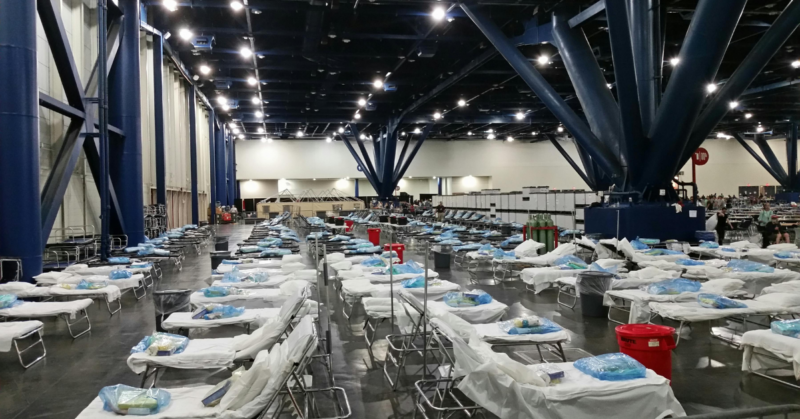
Without access to modern medical technology, doctors and nurses are forced to rely on manual procedures that may not be as effective or safe. For instance, the absence of ultrasound machines can hinder early disease detection, while a shortage of defibrillators can lead to higher mortality rates in cardiac emergencies. In many developing regions, basic necessities like hospital beds, blood pressure monitors, and oxygen cylinders are also in short supply.
Rural hospital equipment donation plays a crucial role in alleviating these challenges. Donors can help improve patient care, enhance hospital efficiency, and support overworked healthcare professionals who are already stretched thin.
How Equipment Donations Can Transform Rural Healthcare
When hospitals receive appropriate medical equipment, they can significantly enhance their service quality. Some key benefits of rural hospital equipment donation include:
- Improved Diagnosis and Treatment – Advanced diagnostic tools enable early detection of diseases, allowing for timely and more effective treatment. For example, donated X-ray machines help doctors diagnose fractures, pneumonia, and infections more accurately.
- Reduced Patient Transfers – Many rural hospitals lack specialized equipment, forcing patients to travel long distances for treatment. With donated medical technology, these facilities can provide care locally, reducing the burden on both patients and their families.
- Enhanced Emergency Response – In life-threatening situations, having the right equipment can mean the difference between life and death. Ventilators, defibrillators, and cardiac monitors can significantly improve emergency medical care in rural areas.
- Better Working Conditions for Healthcare Workers – Medical professionals in rural hospitals often work with limited tools, making their jobs more challenging. Providing them with functional and up-to-date equipment can boost morale and efficiency, leading to better patient outcomes.
How You Can Contribute to Rural Hospital Equipment Donations
Making a difference in rural healthcare does not require vast financial resources. Here are some ways you can help:
- Donate Used or Surplus Medical Equipment – Many hospitals, clinics, and healthcare organizations upgrade their equipment regularly, leaving behind functional but unused devices. Instead of letting these items collect dust, consider donating them to rural hospitals in need.
- Partner with Nonprofit Organizations – Several organizations specialize in collecting and distributing medical supplies to underserved communities. Partnering with such groups ensures that your donation reaches the right hands and makes the greatest impact.
- Organize Fundraisers or Donation Drives – Schools, businesses, and community groups can come together to raise funds for purchasing and donating essential medical equipment. Every small contribution can add up to create a significant change.
- Advocate for Healthcare Equipment Redistribution – Spreading awareness about the importance of rural hospital equipment donation can encourage more individuals and institutions to contribute. Share success stories, organize events, or use social media to amplify the cause.
Conclusion
The healthcare disparity between rural and urban areas is a challenge that can be addressed through collective action. By participating in rural hospital equipment donation efforts, you can play a part in saving lives and strengthening healthcare systems in underserved regions.
Imagine the difference a single oxygen concentrator, an incubator, or a dialysis machine can make in a rural hospital struggling to meet the needs of its patients. Your contribution—big or small—can bring hope, healing, and a healthier future to those in need.
Now is the time to act. Join hands with others who are making a difference and contribute to this vital cause. Whether you donate directly, spread awareness, or organize a fundraising event, your support matters.