



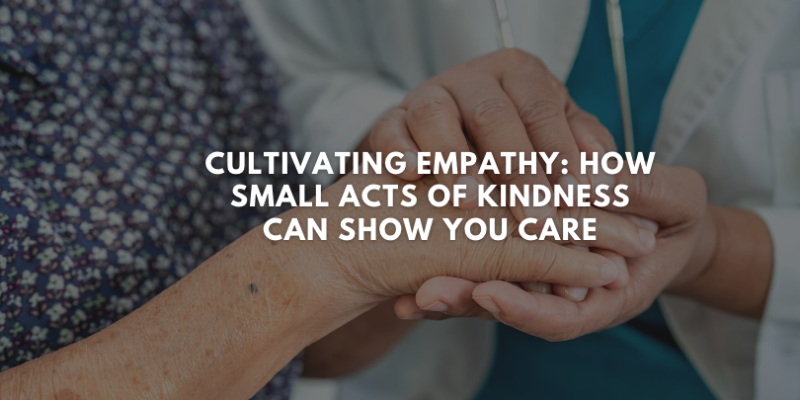
In a world that can feel increasingly disconnected, cultivating empathy has never been more important. Small acts of kindness have the power to positively impact both the giver and the receiver, demonstrating that you care in meaningful ways. In this article, we will explore the profound effects of empathy and how something as simple as a small act of kindness can make a big difference.
Understanding empathy and its importance
Empathy is the ability to understand and share the feelings of others. It goes beyond sympathy, as it involves truly putting yourself in someone else’s shoes and experiencing their emotions on a deeper level. Empathy is crucial for building strong and meaningful relationships, fostering a sense of belonging, and creating a more compassionate society.
When we practice empathy, we open ourselves up to connect with others on a deeper level. We acknowledge their struggles, validate their emotions, and offer support without judgment. This understanding and connection can provide a lifeline for individuals who may be going through difficult times.
The power of small acts of kindness
Small acts of kindness may seem insignificant, but they have the power to create a ripple effect of positivity. A kind word, a helping hand, or a simple gesture can brighten someone’s day and make them feel seen and valued. These small acts of kindness show that you care, and they can have a profound impact on both the giver and the receiver.
When we extend kindness to others, we create a positive and nurturing environment that encourages empathy and compassion. Small acts of kindness can break down barriers, build bridges, and foster a sense of community. Whether it’s holding the door open for a stranger, offering a genuine compliment, or simply listening attentively to someone, these small gestures can make a big difference in someone’s life.
How empathy can improve relationships
Empathy is the foundation of healthy and fulfilling relationships. When we practice empathy, we create a safe space for open communication, trust, and understanding. By truly listening to others and seeking to understand their perspective, we can build stronger connections and resolve conflicts with compassion and empathy.
In relationships, empathy allows us to validate our loved ones’ emotions and experiences. It helps us to be present and supportive during times of joy, sorrow, and everything in between. When we show empathy, we demonstrate that we care deeply about the well-being of others, fostering deeper bonds and creating a sense of belonging.
Cultivating empathy in everyday life
Cultivating empathy is not something that happens overnight; it requires conscious effort and practice. By incorporating small acts of kindness into our daily lives, we can actively nurture our empathetic skills and create a more compassionate world.
One way to cultivate empathy is by actively listening to others. When someone shares their thoughts or experiences, give them your full attention. Put away distractions, maintain eye contact, and show genuine interest in what they have to say. This simple act of focused listening can make the other person feel heard and understood.
Another way to cultivate empathy is by practicing gratitude. Take a moment each day to reflect on the things you are grateful for. By acknowledging the positive aspects of your life, you develop a greater appreciation for the experiences and emotions of others. This gratitude mindset allows you to approach conversations and interactions with empathy and compassion.
Examples of small acts of kindness
Small acts of kindness can take many forms and can be tailored to suit individual circumstances. Here are some examples of small acts of kindness that can show you care:
- Sending a handwritten note of appreciation to a colleague or friend.
- Offering to help someone carry their groceries.
- Giving a genuine compliment to a stranger.
- Volunteering your time at a local charity or community center.
- Checking in on a friend or family member who may be going through a difficult time.
- Offering to babysit for a neighbour to give them some much-needed time for themselves.
- Donating to a cause that aligns with your values.
Remember, it’s the thought and intention behind these acts that matter most. By approaching these acts with empathy and genuine care, you can make a positive impact on someone’s life.
The impact of empathy on mental health
Cultivating empathy not only benefits those around us but also has a positive impact on our own mental health and well-being. When we practice empathy, we shift our focus from ourselves to others, which can help alleviate stress, anxiety, and feelings of isolation.
Empathy allows us to develop a greater sense of connection and belonging. When we empathize with others, we realize that our experiences are not unique and that we are not alone in our struggles. This realization can provide a sense of relief and comfort, knowing that others understand and support us.
Furthermore, practising empathy can increase our emotional intelligence, enabling us to navigate complex emotions and handle challenging situations with grace and understanding. By embracing empathy, we foster resilience and develop a positive outlook on life.
Teaching empathy to children
Empathy is a skill that can be taught and nurtured from a young age. By instilling empathy in children, we can shape a future generation that values compassion, understanding, and kindness.
One way to teach empathy to children is by leading by example. Children learn by observing and imitating the behaviors of those around them. By demonstrating empathy in our interactions and highlighting the importance of kindness and understanding, we can inspire children to cultivate empathy in their own lives.
Storytelling is another powerful tool for teaching empathy. By exposing children to diverse stories and perspectives, we broaden their understanding of the world and encourage empathy for characters who may be different from them. Engaging in discussions about these stories can help children develop empathy and critical thinking skills.
How Empathy Can Benefit Workplaces
Empathy has a place not only in personal relationships but also in the workplace. Cultivating empathy in a professional setting can lead to increased productivity, collaboration, and overall job satisfaction.
When employees feel understood and valued, they are more likely to be engaged and motivated. By fostering an empathetic workplace culture, employers can create an environment where employees feel comfortable sharing their ideas, concerns, and challenges.
Practicing empathy in the workplace also promotes effective communication and conflict resolution. When colleagues empathize with one another, they are more likely to approach conflicts with a desire to understand and find mutually beneficial solutions.
Spreading empathy through social media
In today’s digital age, social media platforms have become powerful tools for spreading empathy and compassion. While social media can sometimes be a platform for negativity and divisiveness, it also holds the potential to inspire and uplift others.
By using social media to share stories of kindness, support charitable causes, and spread positive messages, we can create a virtual community that promotes empathy and understanding. Engaging in respectful and empathetic discussions online can also help bridge gaps and foster connections between individuals from diverse backgrounds.
Remember, the impact of empathy extends beyond our immediate circles. By sharing empathy online, we have the potential to reach and influence a much broader audience, creating a ripple effect of compassion and understanding.
Conclusion: The ripple effect of empathy
In a world that can often feel fragmented and disconnected, cultivating empathy through small acts of kindness is more important than ever. By putting ourselves in others’ shoes and demonstrating care and understanding, we can foster a more compassionate and connected society.
Whether it’s offering a helping hand, actively listening to others, or practising gratitude, every small act of kindness has the power to make a significant impact. These acts not only benefit the receiver but also enhance our emotional well-being and resilience.
As we continue on our journey to cultivate empathy, let us remember that small acts of kindness can create a ripple effect, inspiring others to also show care and understanding. Together, we can build a world where empathy and compassion are valued, and everyone feels seen, heard, and valued.
ALSO READ