


Understanding the Urgency of Emergency Relief
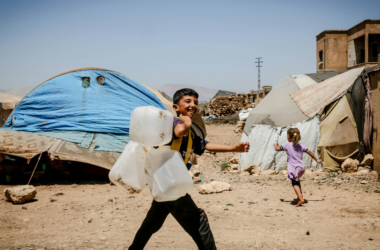
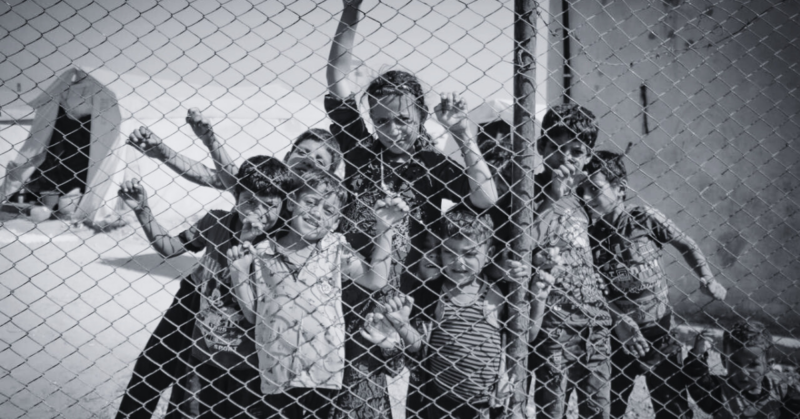
In times of crisis, the need for swift and effective action cannot be overstated. When natural disasters, conflicts, or pandemics strike, entire communities can be devastated in the blink of an eye. Homes are destroyed, lives are disrupted, and essential services crumble. In such moments, emergency relief becomes the lifeline that communities depend on for survival. It is not merely about providing immediate aid; it’s about restoring hope and giving people a chance to rebuild their lives.
Emergency relief is the coordinated response to urgent and life-threatening situations. This aid typically includes food, water, medical care, shelter, and other essential services necessary for survival. The importance of this assistance cannot be overstated, as delays in providing relief can result in preventable deaths, prolonged suffering, and long-term economic damage. The quicker the response, the greater the chance of minimizing the impact of the disaster.
The reality is that no region is immune to disasters, and the global increase in climate-related events makes emergency relief efforts more crucial than ever. Whether it’s a flood in Southeast Asia, a hurricane in the Caribbean, or a conflict in the Middle East, emergency relief is vital in mitigating the immediate and long-term effects of crises. By understanding the urgency of these efforts, we can better appreciate the importance of timely intervention.
The Impact of Timely Intervention
Timely intervention in the wake of a disaster can mean the difference between life and death. Emergency relief is often the first step in a long road to recovery, providing essential resources that allow affected communities to stabilize and begin rebuilding. The immediate aftermath of a disaster is when people are most vulnerable. Access to clean water, food, and medical supplies can prevent the outbreak of diseases, while temporary shelters protect families from further harm.
Moreover, timely emergency relief efforts also help to preserve the dignity and mental well-being of those affected. When people receive the assistance they need quickly, they are less likely to experience the prolonged trauma that can accompany displacement and loss. Children can continue their education, families can stay together, and communities can remain resilient in the face of adversity.
In addition to the immediate benefits, timely intervention also sets the stage for long-term recovery. When emergency assistance is delivered promptly, it reduces the need for prolonged aid, allowing resources to be redirected toward rebuilding infrastructure, supporting local economies, and restoring a sense of normalcy. This holistic approach ensures that communities are not just surviving but thriving in the aftermath of a disaster.
Stories of Lives Saved Through Emergency Relief
The true impact of emergency relief can be seen in the countless lives that have been saved through the compassion and generosity of others. In the aftermath of the 2010 Haiti earthquake, emergency relief efforts were instrumental in saving thousands of lives. Aid workers from around the world mobilized to provide food, water, and medical care to millions of displaced people. The swift response prevented the spread of diseases such as cholera and ensured that survivors received the care they needed.
Similarly, during the 2004 Indian Ocean tsunami, emergency relief efforts played a critical role in rescuing and rehabilitating affected communities. The disaster claimed over 230,000 lives across 14 countries, but the immediate deployment of resources helped save countless others. Emergency relief teams provided medical care, food, and temporary housing, helping to prevent further loss of life in the wake of the disaster.
Closer to home, the response to Hurricane Katrina in 2005 demonstrated the importance of emergency assistance. Despite the challenges, the combined efforts of government agencies, NGOs, and volunteers helped provide shelter, food, and medical assistance to the victims. These stories are a testament to the power of collective action and the difference that emergency relief can make in times of crisis.
How You Can Contribute to Emergency Relief Efforts
While large organizations often lead emergency relief efforts, individual contributions are just as vital. The generosity of ordinary people fuels these operations, providing the resources necessary to deliver aid where it is most needed. Whether through financial donations, volunteering, or spreading awareness, everyone has a role to play in ensuring that emergency relief reaches those who need it most.
One of the most effective ways to contribute is through financial donations. These funds allow organizations to quickly mobilize resources, purchase supplies, and deploy teams to affected areas. Even small contributions can make a significant impact, especially when combined with the efforts of others. By supporting emergency relief initiatives, you are helping to save lives, restore hope, and rebuild communities.
Volunteering is another powerful way to get involved. Many organizations rely on volunteers to assist with logistics, distribute supplies, and provide support to affected communities. Whether you have specialized skills or simply a willingness to help, your time and effort can make a meaningful difference. Volunteering also offers a unique opportunity to witness the impact of emergency relief firsthand and to connect with others who share your commitment to helping those in need.
Lastly, raising awareness about the importance of emergency relief funds is crucial. By sharing information and encouraging others to contribute, you can amplify the impact of relief efforts. Social media, community events, and personal networks are all valuable platforms for spreading the message and inspiring others to take action.
In a world where disasters can strike at any moment, the need for emergency relief has never been greater. Whether it’s providing food and water to survivors, offering medical care, or helping rebuild homes, your support can make all the difference. By donating today, you are not just giving money; you are giving hope, strength, and a lifeline to those in desperate need. Together, we can ensure that no one is left behind in times of crisis. Make a difference in your society today by supporting emergency relief efforts. Your generosity can save lives and help communities rebuild for a better tomorrow.
This blog post, structured around the critical need for emergency relief, highlights the importance of timely intervention and community support. It emphasizes that everyone has a role to play in making a difference, culminating in a strong call to action.