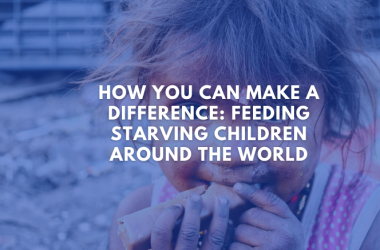




Non-profit organizations may sound similar, but there are several different types of non-profit organizations that fall under the broad umbrella of non-profits. Non-profits are entities that exist to serve a social or civic purpose rather than to generate profit for their owners. Each type of non-profit organization has its own specific rules and regulations, tax implications, and eligibility requirements. In general, most non-profit organizations are further categorized into one of three types: charitable, educational, and religious. These three main types cover almost all non-profit organizations in existence today. There are also subcategories within each type – smaller niche areas that aren’t as common – which you can read about further down.
Charitable Organizations
Charitable organizations are non-profits that focus on providing services for the poor and disadvantaged. Charities are also often tied to specific causes, such as cancer research or children’s rights. Charities are often associated with donation drives and fundraisers and are typically non-profit organizations with 501(c)(3) tax-exempt status. Charity is the most commonly used term for general non-profit organizations. The primary purpose of a charitable organization is to provide a public benefit by promoting social welfare or a social cause. Charitable organizations are often focused on addressing a specific issue or cause through research or advocacy, but can also provide public services like education or health services. Charitable organizations are also often known as philanthropic organizations or private foundations, as they are types of non-profit organizations that are funded through private donations.
Educational Organizations
Education organizations focus on providing educational services, materials, or programs. These organizations may be focused on a specific type of education, such as offering classes on a particular subject or providing tutoring for a certain grade level. The term “education” can also apply to organizations that provide certain services related to education, such as testing or evaluation. An example of a non-profit organization focused on education is the Delta Mu Delta Education Society, an organization that promotes higher education in the fields of business, accounting, and finance. Education organizations are usually non-profit organizations with 501(c)(3) tax-exempt status. Organizations that provide education may focus on early childhood education, primary education, secondary education, higher education, or a combination of education levels.
Religious Organizations
Religious organizations offer religious education and activities, as well as community outreach and services. Some religious organizations may focus on a specific denomination while others may focus on a variety of religious beliefs. Some examples include mosques, churches, temples, and synagogues. Religious organizations are usually non-profit organizations with 501(c)(3) tax-exempt status. Religious organizations may focus on a specific religion, denomination, or a variety of different beliefs. Religious organizations may also provide additional services and programs such as community outreach, tutoring, or counseling.
Cooperative Organizations
Cooperative organizations are non-profits that are focused on providing goods, services, or resources to members. These non-profit organizations may be focused on a specific type of good or service, such as agricultural goods or medical supplies. Cooperative organizations are also often focused on providing a service to members, such as a financial service or insurance coverage. The most common types of cooperative organizations are agricultural co-ops, utility co-ops, and credit unions.
Mutual Benefit Organizations
Mutual benefit organizations focus primarily on providing benefits to members, usually through the provision of goods or services. Mutual benefit organizations may also host or sponsor community events or activities, such as sports leagues. Some types of mutual benefit organizations, such as veterans organizations, are also charitable organizations. Examples of mutual benefit organizations include veterans organizations, business-oriented organizations, and hobby-related groups. Mutual benefit organizations are usually non-profit organizations with 501(c)(3) tax-exempt status. Mutual benefit organizations are similar to cooperative organizations in that they provide goods or services to members, but they differ in that they don’t necessarily provide goods or services related to the organization’s name.
Conclusion
Non-profit organizations come in many shapes and sizes. Although they all have one thing in common – that they are non-profit organizations – they each have their specific focus and purpose. Many of these organizations are funded through donations and grants, and many exist to provide specific services that may be difficult to obtain elsewhere. When starting a non-profit organization of your own, it’s important to understand the different types of non-profit organizations and what each type does. This will help you determine which type of non-profit best fits your goals and ambitions. Make sure you thoroughly research any type of non-profit organization before you begin, so you can be sure you are on the right track.
ALSO READ