



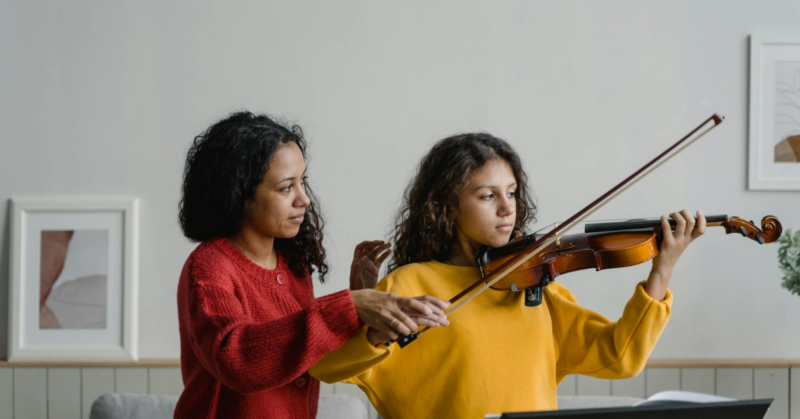
Introduction to the Importance of Music Education
Music is often seen as a luxury—something enjoyed by those who can afford private lessons or expensive instruments. However, for many families in low-income communities, the idea of music education seems out of reach. However, the benefits of music education are profound, impacting not just artistic development but also cognitive skills, emotional well-being, and long-term academic success. Despite the financial barriers, music education for low-income families should be recognized as a critical tool for empowerment and growth.
In communities where resources are limited, music education provides an outlet for expression, self-discipline, and resilience. Unfortunately, many children in these communities are denied access to such opportunities simply because their families cannot afford the fees for music lessons, instruments, or extracurricular programs. This gap perpetuates a cycle of inequality, preventing talented young individuals from realizing their full potential.
The Benefits of Music Education
Music education has long enhanced cognitive functions, from improved memory and concentration to stronger problem-solving skills. For children in low-income families, these benefits can be life-changing. Research shows that music students often excel in subjects like mathematics and reading. The skills learned through music—such as pattern recognition, timing, and critical thinking—directly translate into better academic performance.
Moreover, music fosters emotional intelligence. Playing an instrument or singing can be a deeply personal and empowering experience, helping children build confidence and find their voice. For low-income families, access to music education can be a crucial element in providing their children with a healthy outlet for emotions and a constructive way to deal with life’s challenges.
But the benefits don’t stop there. Music education also teaches discipline and teamwork. Whether it’s through solo practice or collaborative efforts in a band or orchestra, children learn the value of commitment and how to work toward common goals. In a world where many young people face obstacles that can impede their success, the lessons learned through music are invaluable.
Challenges Faced by Low-Income Families in Accessing Music Education
While the advantages of music education for low-income families are clear, access remains a major obstacle. The costs associated with private lessons, music classes, instruments, and supplies can be prohibitive for families struggling to make ends meet. Additionally, in many low-income communities, public schools lack the funding to offer quality music programs. This leaves children without the opportunity to explore their musical talents or gain the skills that could help them succeed in the future.
Many low-income families also face logistical barriers to accessing musical education. Even when free or low-cost programs are available, transportation and scheduling issues can prevent participation. Furthermore, parents who are working multiple jobs may not have the time to support their children’s musical pursuits.
How We Can Make a Difference
There is hope. Across the world, organizations and community groups are working tirelessly to provide musical education for low-income families. These programs often rely on donations, volunteers, and public support to offer music lessons, instruments, and performance opportunities to children who would otherwise have no access.
By donating to initiatives that promote music education for low-income families, we can help bridge the gap and ensure that all children have the chance to develop their musical talents. Our contributions can make a direct impact, offering the transformative benefits of music to those who need it most.
When we invest in the future of young people through music education, we invest in their potential. A donation, whether large or small, helps nurture the next generation of musicians, thinkers, and leaders. Music education opens doors and creates opportunities, and we have the power to help make it accessible to all.
It’s time to make a difference in our communities. By donating to musical education programs for low-income families, you can help change a child’s life forever. Every contribution counts. Join us in bringing the joy and power of music to children who need it most. Together, we can create a future where all children, regardless of their economic background, have the opportunity to reach their full potential through the transformative power of music. Donate today and help make music education accessible to all.