


The Silent Struggle of Art Education in Underserved Communities
In many schools across the world—particularly those in low-income neighbourhoods—art classes are either severely underfunded or cut altogether. While math and science are often prioritised (and rightly so), the value of artistic expression is consistently overlooked. Art is not just about painting pretty pictures. It teaches critical thinking, emotional expression, cultural appreciation, and creativity—all essential tools for the development of well-rounded individuals.
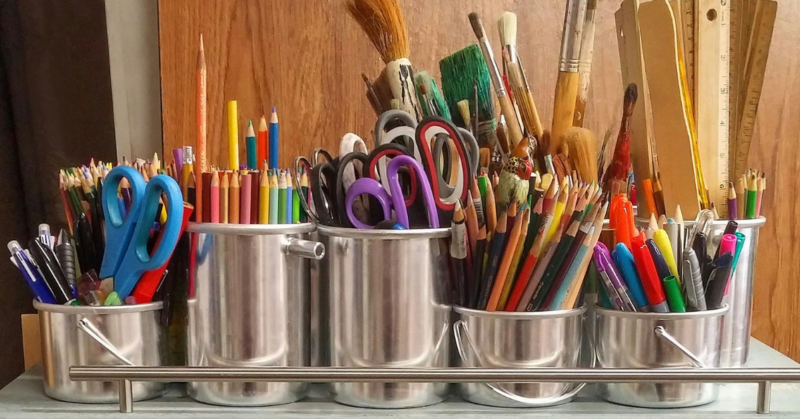
Yet, the reality is stark. A teacher may have to ration colored pencils, recycle paper from other subjects, or ask students to bring their supplies—something many families simply can’t afford. Without access to even basic art supplies for underfunded schools, talented children may never realise their potential. These budding artists deserve more than a blank page and a broken crayon.
The Power of a Paintbrush: How Art Shapes Young Minds
Art can unlock doors in a child’s mind that no textbook can. Through creative exploration, students develop problem-solving skills, gain confidence, and discover their voices. For some, it is the only safe space where they can freely express thoughts and emotions they might not yet have words for. It is a therapeutic process—one that offers healing, stability, and hope.
But that process starts with access: access to paints, brushes, sketchbooks, markers, and more. In schools where every penny counts, buying these tools becomes a luxury rather than a necessity. And when creativity is treated as optional, it becomes inaccessible to those who need it most.
By providing art supplies for underfunded schools, we’re not just handing over materials—we’re handing over opportunity. A box of markers may seem small, but in the right hands, it’s the beginning of a masterpiece.
Real Stories, Real Impact: Art Changing Lives
Consider the story of Ms Thompson, an elementary school teacher in a rural district with one of the lowest education budgets in her state. She noticed that her students were more focused and expressive during their rare art sessions. Knowing the positive impact art had on them, she started a small fundraiser and managed to gather enough supplies for a semester. The result? Higher student engagement, improved emotional behaviour, and even better academic performance across other subjects.
Then there’s Jamal, a 12-year-old from an inner-city school who had never painted before due to a lack of resources. When a local nonprofit donated art supplies to his underfunded school, Jamal found his voice through abstract watercolour. A year later, one of his pieces won a city-wide youth art competition. He now dreams of becoming a graphic designer.
These stories are not anomalies—they are proof that a little help can lead to a huge impact.
What You Can Do: Make a Lasting Impression
Many people want to help but don’t know where to start. The good news is, the first step is simple. You can contribute to real change by supporting initiatives that provide art supplies for underfunded schools. Whether it’s donating new materials, funding local nonprofits, or organising community drives, your efforts will make a tangible difference.
Even spreading awareness helps. Share stories, advocate for better arts funding, and support teachers who are doing their best with limited resources. You can also reach out to local schools directly to see what they need or get involved with national programs that distribute art kits to underserved districts.
Let’s Paint a Brighter Future Together
The power to make change is in your hands. By donating art supplies for underfunded schools, you’re giving children more than tools—you’re giving them hope, voice, and the freedom to dream.
Take action today. Donate art supplies, support local classrooms, or spread the word. Be the brushstroke that colours someone’s future.