



The Silent Struggles Beyond the Border
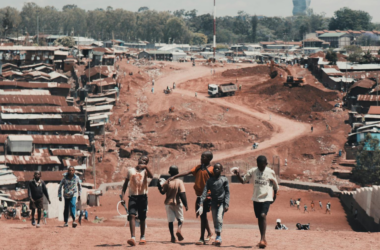
Fleeing one’s home under the threat of war, persecution, or disaster is a trauma few can imagine. Refugees around the world face enormous physical challenges-crossing oceans, surviving camps, adapting to unfamiliar cultures-but some of the most painful wounds are the ones we cannot see. Trauma, grief, anxiety, and depression are silent companions to displacement, often left unaddressed due to a lack of access and awareness.
Unfortunately, mental health support is not always prioritized in emergency humanitarian aid. When shelter, food, and medical care are top concerns (as they should be), emotional and psychological well-being often falls to the margins. Yet untreated trauma has long-term effects on individuals, families, and entire communities-particularly among children, women, and the elderly.
Mental health is not a luxury. It’s a lifeline. And it’s time we recognize that healing the mind is as vital as healing the body.
Why Refugee Mental Health Care Needs Our Immediate Attention
Imagine living in a constant state of uncertainty, with no clear future, separated from your loved ones, and haunted by memories of violence or loss. This is the daily reality for millions of displaced people. Refugee mental health care must be addressed with urgency and empathy, as it directly affects individuals’ ability to recover, integrate, and rebuild their lives.
Across refugee camps and host communities, symptoms of PTSD, depression, and anxiety are rampant. Language barriers, cultural stigma, and scarce resources only make matters worse. While humanitarian organizations have begun to incorporate psychological support into their services, they are often underfunded and overstretched.
What can bridge this gap? A coordinated effort-such as a refugee mental health care donation drive-can channel both funds and attention toward scalable, trauma-informed programs. These include counselling, group therapy, play therapy for children, and training for local mental health workers who understand the cultural context.
The road to recovery is not only paved with shelter and food. It is also shaped by compassion, understanding, and support for mental resilience.
Stories of Hope: Real Lives Touched by Mental Health Support
In the heart of a refugee camp in northern Jordan, a young girl named Laila, once withdrawn and non-verbal due to the trauma of fleeing her hometown, began to smile again. With the help of a local therapist funded through a mental health program, she learned to process her experiences through drawing and storytelling.
In Greece, a Syrian father struggling with severe PTSD found solace in weekly counselling sessions. The therapy helped him not only manage his own symptoms but also reconnect emotionally with his children, who had started fearing his unpredictable behaviour.
These stories are not exceptions-they are the quiet triumphs that become possible when communities rally behind mental health services. And they are often made possible by generous people participating in initiatives like a refugee mental health care donation drive.
The healing process is long and nonlinear. But it becomes possible when the world shows up not just with food and clothing, but with the tools for emotional recovery.
How You Can Help: Be a Catalyst for Change
The beauty of compassion lies in its action. Whether you’re an individual, a school group, a local business, or a faith organization, you can make a meaningful impact. Here’s how you can get involved:
- Contribute to a Refugee Mental Health Care Donation Drive: Every dollar counts. Your donation could fund trauma therapy sessions, train a community counsellor, or equip mobile mental health clinics in refugee camps.
- Raise Awareness: Use your voice on social media, in your local community, or at events to shed light on the urgent need for mental health support among displaced people.
- Partner with Local NGOs: Collaborate with reputable organizations already working on the ground. Many have active donation drives or volunteer opportunities.
- Educate Others: Host a film screening, book club, or seminar to explore the emotional toll of forced migration. Creating understanding is the first step toward meaningful action.
A thriving society is one that not only welcomes the refugee but also embraces the full spectrum of their healing journey. Mental health care is not an add-on-it is a foundational need.
We can either be bystanders to suffering or become bridge builders of hope.
Conclusion
The call is simple but powerful: Donate. Share. Engage. By supporting a refugee mental health care donation drive, you are not just giving money-you are giving someone a chance to heal, to smile again, and to reconnect with life.
Mental health is a human right. Let’s treat it as such.
Join us in creating safe, healing spaces for those who’ve already lost so much. Make a difference in your society today-donate to support refugee mental health.