


The Hidden Struggles of Urban Wildlife
Amid bustling city life, it’s easy to overlook the wild creatures that share our urban spaces. From squirrels navigating power lines to foxes darting through alleyways, these animals have learned to survive in a world dominated by humans. However, urban expansion, pollution, and human activities constantly threaten their existence. Roads, buildings, and waste disposal practices disrupt natural habitats, leading to injuries, displacement, and food scarcity.
Many urban animals suffer due to vehicle collisions, poisoning, or becoming entangled in human waste. Birds mistake glass windows for open skies, while raccoons and opossums scavenge through dangerous waste. Without intervention, these animals often perish without ever receiving help. Fortunately, dedicated organizations and volunteers work tirelessly to rescue, rehabilitate, and release these vulnerable creatures back into their natural environments.
The Role of Urban Wildlife Rescue and Rehabilitation Fund
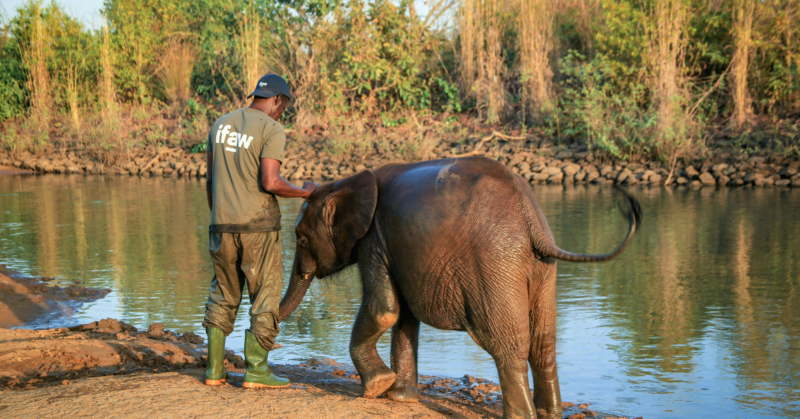
Organizations focused on rescuing urban wildlife depend on funding to continue their essential work. The Urban Wildlife Rescue and Rehabilitation Fund plays a critical role in ensuring that injured and displaced animals receive proper care. This fund supports wildlife hospitals, rescue teams, and educational programs that spread awareness about coexisting with urban animals.
With sufficient funding, wildlife rehabilitation centers can provide medical treatment, proper nutrition, and safe enclosures for recovering animals. Skilled veterinarians and trained rehabilitators work around the clock to nurse animals back to health, preparing them for eventual release back into the wild. In addition, community outreach programs help educate residents on how to prevent wildlife conflicts and protect native species.
The Urban Wildlife Rescue and Rehabilitation Fund also finances research initiatives aimed at understanding urban animal behavior and finding sustainable solutions for human- wildlife coexistence. By addressing the root causes of wildlife distress, this fund creates a long-term impact on protecting our city’s natural inhabitants.
Success Stories: Giving Wildlife a Second Chance
Thanks to the Urban Wildlife Rescue and Rehabilitation Fund, countless animals have been given a second chance at life. Take the story of Luna, a young red-tailed hawk found injured on a busy highway. Rescuers discovered that she had suffered a broken wing after being hit by a car. Through dedicated rehabilitation efforts, including surgery and physical therapy, Luna regained her strength and was successfully released back into the wild.
Then there’s Jasper, a family of orphaned raccoon kits that were discovered in an abandoned building. Without their mother’s care, these young raccoons wouldn’t have survived. Wildlife rehabilitators provided them with proper nutrition and essential survival skills, ensuring they were ready to thrive upon their release into a safe green space.
These are just two of the many success stories made possible by dedicated rescuers and generous donations. Each contribution to the Urban Wildlife Rescue and Rehabilitation Fund brings hope to injured and displaced animals in need.
How You Can Make a Difference Today
Urban wildlife faces numerous challenges, but together, we can create a safer world for these animals. If you’re passionate about protecting urban wildlife, here’s how you can help:
- Donate to the Urban Wildlife Rescue and Rehabilitation Fund: Your contribution directly supports rescue operations, medical treatments, and rehabilitation efforts.
- Volunteer with local wildlife organizations: Many rescues rely on volunteers to assist with feeding, cleaning, and community education programs.
- Educate your community: Raise awareness about urban wildlife safety by sharing information on social media or organizing local workshops.
- Reduce hazards: Secure trash bins, avoid using harmful pesticides and install bird-friendly window decals to prevent collisions.
- Report injured animals: If you see a wild animal in distress, contact a local wildlife rescue center for guidance on how to help safely.
Every effort, no matter how small, contributes to the well-being of our urban wildlife. By supporting the Urban Wildlife Rescue and Rehabilitation Fund, you’re helping ensure that these creatures receive the care they need to survive and thrive.
Join the movement today! Donate now and be a hero for urban wildlife.