


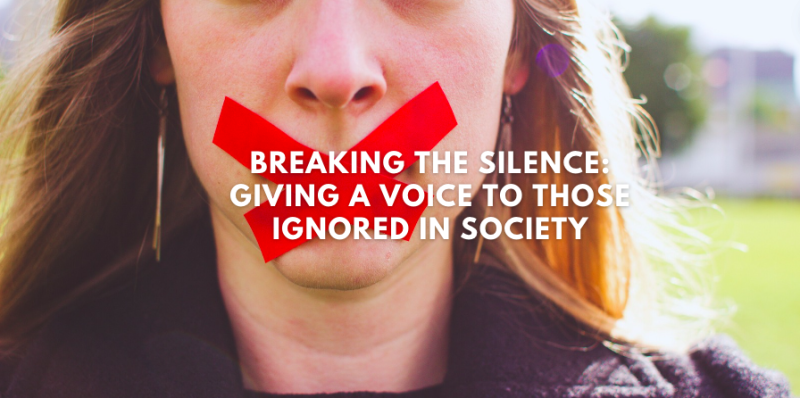
In a world that is often loud and overwhelming, there are countless individuals who remain unheard, their voices drowned out by the noise of society. Yet, their experiences, their struggles, and their perspectives are vitally important. It is time to break the silence and give these individuals a platform to share their stories.
Understanding the Impact of Silence on Marginalized Communities
Silence can have a profound impact on marginalized communities. When their voices are ignored or silenced, their experiences and struggles are often overlooked, perpetuating systemic inequalities. The silence surrounding issues such as racial discrimination, gender inequality, and economic disparities only serves to further marginalize those affected. By acknowledging and understanding the impact of silence, we can begin to break down the barriers that prevent these voices from being heard.
Silence can lead to feelings of isolation, powerlessness, and invisibility. Marginalized individuals may feel as though their voices do not matter or that their experiences are not valid. This can have detrimental effects on their mental and emotional well-being. Breaking the silence means creating spaces where these individuals can speak up and be heard, fostering a sense of belonging and empowerment.
Breaking Down the Barriers of Silence Through Storytelling and Representation
One powerful way to break the silence is through storytelling and representation. By sharing personal narratives and amplifying marginalized voices, we can challenge the dominant narratives that perpetuate silence. Stories have the ability to humanize experiences and foster empathy, helping others to understand and connect with the struggles faced by marginalized communities.
Representation is crucial in breaking down the barriers of silence. When individuals from marginalized backgrounds see themselves represented in various forms of media, it validates their experiences and gives them a sense of belonging. By promoting diverse voices and stories, we can create a more inclusive society where all individuals feel seen and heard.
The Power of Social Media in Giving Voice to the Unheard
In today’s digital age, social media has emerged as a powerful tool for giving voice to the unheard. Platforms such as Twitter, Instagram, and TikTok have provided marginalized individuals with the means to share their stories and experiences on a global scale. Social media has the ability to connect people from different backgrounds and create online communities where marginalized voices can thrive.
Through hashtags, viral campaigns, and online activism, social media has facilitated conversations and movements that challenge the status quo. It has allowed individuals to speak out against injustice, amplify marginalized voices, and hold those in power accountable. Social media has given a voice to the unheard and has the potential to create significant social change.
Examples of Individuals and Organizations Using Social Media to Amplify Marginalized Voices
Numerous individuals and organizations are using social media as a platform to amplify marginalized voices. Activists, influencers, and everyday individuals are leveraging their online presence to shed light on important issues and uplift those who have been ignored. Here are a few notable examples:
- #BlackLivesMatter: This movement gained momentum through social media, highlighting the experiences of Black individuals and calling for an end to systemic racism and police brutality.
- The Body is Not an Apology: This online community promotes body positivity and advocates for the rights and visibility of marginalized bodies.
- The Trevor Project: This organization uses social media to raise awareness about LGBTQ+ youth mental health and provide support to those in need.
These examples demonstrate the power of social media in giving voice to the unheard and inspiring meaningful change.
Strategies for Individuals to Break the Silence and Become Allies
Breaking the silence requires individuals to actively listen, learn, and become allies to marginalized communities. Here are some strategies to consider:
- Educate Yourself: Take the time to educate yourself about the experiences and struggles faced by marginalized communities. Read books, listen to podcasts, and engage with diverse perspectives to broaden your understanding.
- Amplify Voices: Use your platform to amplify marginalized voices. Share their stories, experiences, and achievements to raise awareness and challenge the silence.
- Listen and Validate: Actively listen to the experiences of marginalized individuals and validate their feelings and experiences. Create safe spaces for open and honest dialogue.
- Support Organizations: Support organizations that are actively working towards uplifting marginalized voices. Donate, volunteer, or become a member to contribute to their important work.
The Role of Education and Awareness in Dismantling Social Silence
Education and awareness are essential in dismantling social silence. By educating ourselves and others about the challenges faced by marginalized communities, we can develop a deeper understanding and empathy. Education helps us recognize and challenge our own biases, enabling us to be better allies and advocates for change.
Awareness campaigns play a crucial role in breaking the silence. By raising awareness about social issues, we can bring attention to the voices that have been ignored and demand action from those in power. Through education and awareness, we can create a society that actively works towards dismantling social silence.
Overcoming the Challenges of Speaking Out and Advocating for Change
Speaking out and advocating for change can be challenging, especially when faced with opposition and hostility. It requires bravery, resilience, and a strong support system. Here are some tips for overcoming these challenges:
- Find a Support Network: Surround yourself with like-minded individuals who share your passion for social justice. Lean on each other for support and encouragement.
- Take Care of Yourself: Advocacy can be emotionally draining. Practice self-care and prioritize your mental and physical well-being.
- Educate and Engage: Equip yourself with knowledge and engage in respectful and informed conversations. Use facts and evidence to counter opposition and challenge misconceptions.
Resources and Support for Those Looking to Break the Silence
For those looking to break the silence and support marginalized communities, there are numerous resources available. Here are a few organizations and initiatives to explore:
- Color of Change: A leading racial justice organization that works to combat injustice and fight for political and corporate accountability.
- The Trevor Project: A nonprofit organization focused on suicide prevention efforts among LGBTQ+ youth, offering crisis intervention and support services.
- National Organization for Women (NOW): An organization dedicated to achieving equality for women and fighting against gender-based discrimination.
These resources provide valuable support, information, and opportunities for individuals to get involved and make a difference.
Conclusion: The Importance of Collective Action in Creating a More Inclusive and Equitable Society
Breaking the silence and giving a voice to those ignored in society is a collective responsibility. It requires each of us to challenge the status quo, listen to marginalized voices, and take action. By amplifying these voices, we can create a more inclusive and equitable society where everyone is seen, heard, and valued.
As we embark on this journey of breaking the silence, let us remember that change starts with us. We have the power to make a difference, to uplift those who have been silenced, and to build a world where everyone’s voice matters. Together, we can create a society that celebrates diversity, embraces empathy, and works towards a future where no one is ignored or left behind.
So, let us listen, let us learn, and let us take action. It is time to break the silence and give a voice to those who have been ignored for far too long.
ALSO READ