


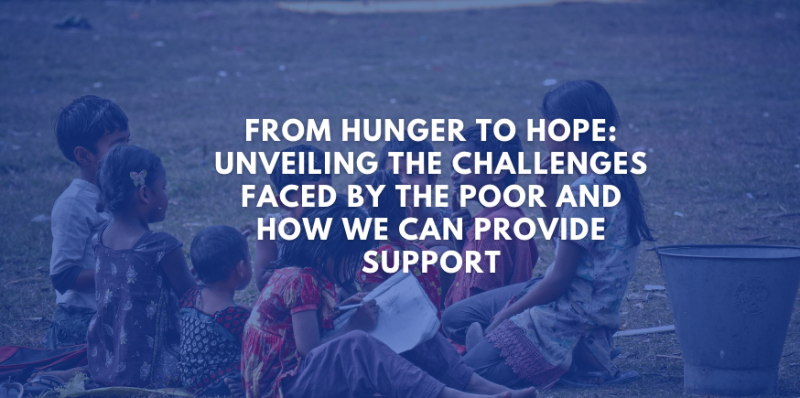
In a world where abundance coexists with poverty, it is impossible to turn a blind eye to the struggles faced by the less fortunate. From hunger and homelessness to lack of education and healthcare, poverty casts a dark shadow over the lives of millions. But amidst these challenges, there is hope. In this thought-provoking article, we delve deep into the realities faced by the poor and explore how we can come together to provide support and bring about positive change. Through a combination of awareness, empathy, and actionable solutions, we can transform lives and create a future where no one goes to bed hungry or without hope. Join us on this journey as we shed light on the obstacles faced by the poor and discover the power we hold to make a difference. Together, we can turn hunger into hope, one act of kindness at a time.
Understanding the challenges faced by the poor
Poverty encompasses a multitude of challenges that affect the lives of those trapped in its grasp. One of the most pressing issues faced by the poor is hunger. The inability to afford nutritious food leads to malnutrition and stunted growth, especially among children. Hunger not only impacts physical health but also hampers cognitive development, making it harder for individuals to break free from the cycle of poverty. It is a vicious cycle that perpetuates itself, as lack of access to proper nutrition hinders productivity and economic growth in impoverished communities.
In addition to hunger, the poor face a lack of access to necessities. Clean water, sanitation, and housing are often luxuries that many cannot afford. Without proper shelter, individuals are exposed to harsh weather conditions and are at a higher risk of falling ill. Limited access to clean water and sanitation facilities leads to a higher prevalence of diseases and infections. These necessities, which many of us take for granted, are essential for maintaining good health and well-being.
Furthermore, the poor often have limited educational opportunities. Without access to quality education, individuals are unable to acquire the necessary skills and knowledge to escape poverty. This perpetuates a cycle where future generations are also denied the chance to break free from the constraints of poverty. Education is a powerful tool that can empower individuals to improve their lives, but when it is out of reach, the cycle of poverty persists.
Lack of healthcare and medical support
Another significant challenge faced by the poor is the lack of healthcare and medical support. Inadequate access to healthcare facilities and services leaves individuals vulnerable to preventable diseases and untreated medical conditions. The cost of medical treatments, medications, and even basic check-ups often exceeds the financial means of those living in poverty. As a result, illnesses go undiagnosed and untreated, leading to increased suffering and reduced quality of life.
The absence of a robust healthcare system also exacerbates the impact of other challenges faced by the poor. For example, malnutrition and lack of access to clean water contribute to a higher prevalence of diseases, but without proper medical support, these issues persist. The poor are caught in a cycle where their health is compromised, hindering their ability to work, earn a living, and improve their circumstances.
Solutions to alleviate poverty
While the challenges faced by the poor may seem overwhelming, there are actionable solutions that can make a significant difference in their lives. One of the most immediate ways to alleviate poverty is by providing food and nutrition assistance. Organizations and initiatives that focus on distributing food aid help bridge the gap between hunger and hope. They ensure that individuals and families have access to nutritious meals, helping to improve health and overall well-being. Additionally, supporting local agriculture and sustainable farming practices can empower communities to become self-sufficient and break free from the cycle of hunger.
Improving access to education and vocational training is another crucial step in alleviating poverty. By investing in education, we equip individuals with the tools and knowledge they need to secure stable employment and improve their economic prospects. Scholarships, mentorship programs, and vocational training initiatives can empower individuals to acquire valuable skills and break free from the constraints of poverty. Education is a powerful catalyst for change and has the potential to transform lives and communities.
Enhancing healthcare services is essential in addressing the health disparities faced by the poor. This includes improving access to healthcare facilities, increasing the availability of affordable medications, and establishing preventive healthcare programs. By investing in healthcare infrastructure and providing medical support to those in need, we can reduce the burden of preventable diseases and ensure that individuals have access to the care they require. Collaboration with healthcare professionals, organizations, and governments is key to implementing sustainable healthcare solutions.
Collaborating with NGOs and government agencies is crucial in addressing the multifaceted challenges faced by the poor. Non-governmental organizations play a vital role in providing support and resources to impoverished communities. By partnering with these organizations and working alongside governments, we can leverage resources, expertise, and funding to create lasting change. These collaborations can lead to the implementation of comprehensive poverty alleviation programs that address the root causes of poverty and provide sustainable solutions.
How individuals can make a difference
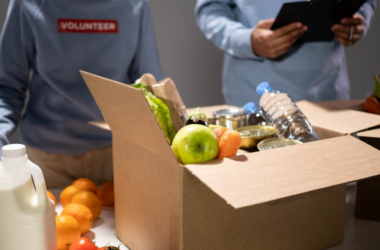
While systemic change requires a collective effort, individuals can also make a significant impact in the fight against poverty. One way to contribute is by volunteering or donating to organizations that work directly with impoverished communities. By giving our time, skills, or financial resources, we can support initiatives that provide immediate relief and long-term solutions. Small acts of kindness, such as donating food or clothing, can go a long way in providing comfort and support to those in need.
Another way individuals can make a difference is by raising awareness about poverty and its challenges. By sharing stories, statistics, and personal experiences, we can shed light on the realities faced by the poor. Through social media, community events, or educational campaigns, we can educate others and inspire them to take action. Awareness leads to empathy, and empathy is the driving force behind meaningful change.
Additionally, individuals can advocate for policies and initiatives that address poverty at a systemic level. By engaging in discussions, contacting elected representatives, and supporting organizations that champion poverty alleviation, we can influence change on a larger scale. Every voice matters, and when we collectively raise our voices, we can create a more equitable and compassionate society.
Conclusion
From hunger to lack of access to education and healthcare, the challenges faced by the poor are numerous and complex. However, through awareness, empathy, and actionable solutions, we can provide support and transform lives. By addressing immediate needs such as hunger and lack of necessities, improving access to education and healthcare, and collaborating with NGOs and government agencies, we can alleviate poverty and create a brighter future. Each individual has the power to make a difference, whether through volunteering, raising awareness, or advocating for systemic change. Let us come together and turn hunger into hope, one act of kindness at a time. Together, we can create a world where no one goes to bed hungry or without hope.
ALSO READ