


The Hidden Struggles Beneath the School Uniform
While backpacks, lunch boxes, and notebooks often mark the beginning of a school year, there’s a quiet crisis many children face that receives far less attention—having appropriate clothing for school. For many families, especially those navigating financial hardships, even basic school attire can be a stretch too far.
It’s easy to overlook how something as simple as a clean, well-fitting shirt or a decent pair of shoes can impact a child’s self-esteem, participation, and overall educational experience. Children without proper clothing often feel isolated, bullied, or hesitant to engage in class or extracurricular activities. And the sad truth? This isn’t an isolated issue. Communities across the globe are facing this challenge, and it’s often hidden behind closed doors.
What Is a Clothing Bank and Why Does It Matter
This is where the idea of a clothing bank for school-aged children becomes not just useful, but transformational. These clothing banks operate like a safety net, providing free or low-cost attire to students in need. But it’s more than just handing out clothes—it’s about restoring dignity, removing barriers, and allowing every child to walk into school with their head held high.
A well-run clothing bank provides school uniforms, coats for the winter months, gym shoes, and even backpacks filled with essentials. Some organizations go a step further by allowing children to “shop” from the available selection—turning what could be a charity handout into a moment of empowerment and choice.
Beyond practicality, clothing banks foster a sense of belonging. When all students look and feel equal, it minimizes social gaps, reduces bullying, and promotes a more inclusive learning environment.
Stories That Inspire – Real Impact in Action
Let’s take a moment to look at some real-world examples.
In one Midwest town, a community initiative created a clothing bank for school-aged children in the back of a local church. It started with a few donated jackets and pants. Within a year, it had grown to serve hundreds of families, thanks to volunteers and word-of-mouth support. One mother, Maria, shared that she used to dread the start of the school year. “I would lose sleep thinking about how I’d afford clothes for my three kids. The clothing bank changed everything. My kids walk into school confident now.”
In another case, a high school principal partnered with local businesses to create an on-campus clothing closet. Students could visit during lunch or after school, no questions asked. What started as a small shelf turned into a full room stocked with everything from sneakers to winter gear. The program didn’t just boost attendance; it lifted spirits.
These stories remind us that the need is real—and so is the solution.
How You Can Help – Become the Change
Now that you understand the power of a clothing bank for school-aged children, the question becomes: What can you do?
1. Donate Gently Used or New Clothing
Most clothing banks rely heavily on donations. If your child has outgrown their clothes or you’ve got extra jackets lying around, don’t let them gather dust. Give them a second life by donating them to a local organization.
2. Start a Drive in Your Community
Rally your neighbourhood, your child’s school or your workplace to host a clothing drive. You’d be amazed at how quickly generosity adds up when people unite for a cause.
3. Volunteer Your Time
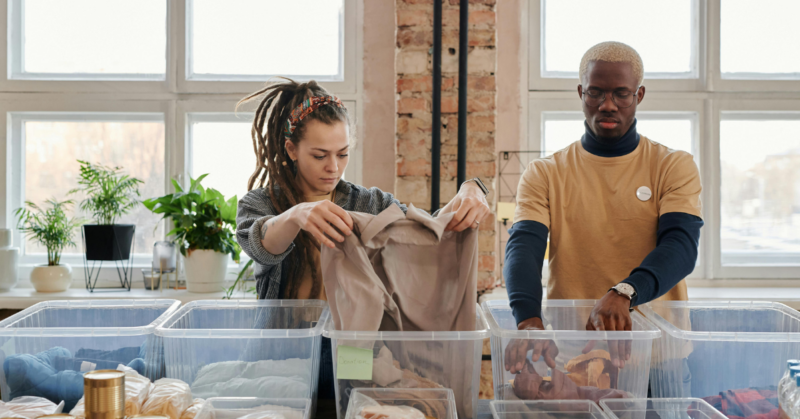
Clothing banks often need help sorting, folding, and distributing garments. A few hours of your time can directly impact a child’s day.
4. Spread the Word
Share stories, raise awareness, and let others know how they can get involved. Awareness leads to action.
When we come together, we can help ensure that no child is left behind because of what they wear—or don’t have to wear. The ripple effect of kindness starts with one act.
Conclusion
A clothing bank for school-aged children doesn’t just provide clothes—it provides confidence, opportunity, and hope. By giving what you can—be it a sweater, an hour of your time, or the spark of an idea—you can help rewrite a child’s school story.
Join the movement. Be the difference. Donate today and dress for a brighter tomorrow.