


The Calm Before the Storm: A False Sense of Security
In the quiet moments before a disaster strikes, everything feels normal. The sky may be blue, the roads busy with morning commuters, and life moving forward as usual. But for many communities, especially those in high-risk areas prone to floods, wildfires, earthquakes, or hurricanes, danger can arrive without warning—and when it does, every second counts.
Unfortunately, not all neighbourhoods are equipped with the tools necessary to react in time. While large cities may have robust systems in place, smaller towns and rural areas often operate on a shoestring budget. For these communities, local disaster alert system funding isn’t just a bureaucratic checkbox—it’s the difference between life and death.
Imagine a coastal village where the nearest siren tower is 30 miles away, or a wildfire-prone town without a text-based alert system. The residents there live in a dangerous silence, waiting for help that may come too late.
The Backbone of Readiness: Why Alert Systems Are Essential
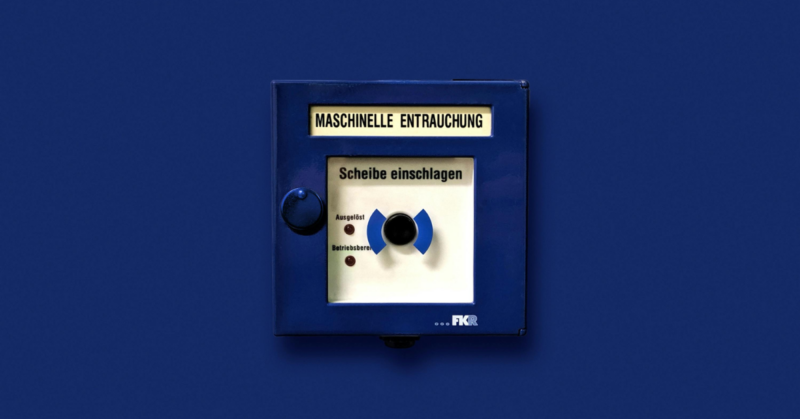
Emergency alert systems are more than loudspeakers and text messages—they are lifelines. These systems provide real-time warnings, allowing residents to evacuate, seek shelter, or take protective measures before disaster hits. Whether it’s through mobile notifications, air-raid-style sirens, or digital signage, a functioning alert system saves lives by enabling people to act quickly.
However, their effectiveness depends largely on regular maintenance, upgraded technology, and most importantly, funding. When a tornado touches down or a wildfire changes direction unexpectedly, having even five minutes of advanced warning can mean the difference between safety and tragedy.
Communities that have invested in comprehensive alert systems report significantly lower casualties and damages. But such investment doesn’t happen overnight, nor does it happen without the crucial support of local disaster alert system funding initiatives.
Funding Gaps: The Unseen Crisis in Emergency Preparedness
Despite the clear benefits, securing sustainable local disaster alert system funding remains a daunting challenge for many local governments. Budget constraints, political hurdles, and competing priorities often push disaster preparedness to the back burner—ironically, until it’s too late.
In many cases, outdated technology remains in use because there simply isn’t enough money to replace it. Systems that once functioned flawlessly become slow, unresponsive, or incompatible with newer communication platforms. This digital lag creates vulnerabilities that can cost lives during a real emergency.
What’s more troubling is the disparity between regions. Affluent areas often have multiple layers of protection—sirens, apps, neighbourhood warning systems—while underfunded communities rely on radio announcements or word of mouth. It’s a glaring inequity, and it’s one that local disaster alert system funding aims to correct.
The good news? A relatively small investment can yield enormous returns. Studies show that for every dollar spent on disaster preparedness, communities save up to six dollars in recovery costs. It’s not just a humanitarian investment—it’s a smart financial decision.
Be the Change: Help Your Community Stand Stronger
Every one of us has a role to play in building safer, more resilient communities. While governments and institutions lead the charge, real change often begins with individual action. Whether it’s volunteering for local emergency planning groups, advocating for better funding in your town hall, or supporting nonprofits that work to enhance local preparedness, your contribution counts.
One powerful way to make a tangible difference today is by supporting initiatives that prioritise local disaster alert system funding. Your donation can help install an early warning siren in a rural town, upgrade outdated software in a vulnerable city, or provide training for emergency responders. These aren’t just technical upgrades—they’re tools of survival.
When you donate, you’re not just giving money. You’re giving time to a family fleeing a wildfire. You’re giving direction to a town caught in the eye of a storm. You’re giving peace of mind to a community that knows it won’t be left in the dark.
Conclusion: Let’s Not Wait for the Next Siren to Sound
Disasters won’t wait for us to be ready. But with your help, communities can be.
If you believe in a world where every person deserves fair warning in times of danger, then now is the time to act. Support efforts focused on local disaster alert system funding and empower communities to respond, recover, and rebuild with strength.
Donate today and be the lifeline someone needs tomorrow. Make a difference where it matters most.