


Understanding the Importance of Language Learning for Refugee Children
For refugee children, fleeing their homes is only the first hurdle. Once they arrive in a new country, they face a different, often more silent struggle — the inability to communicate. Language is more than just a means of conversation; it’s a lifeline to education, friendships, and opportunities. Without it, refugee children are left isolated, unable to express their thoughts, dreams, or even basic needs. This is why a refugee children’s language learning program is not merely helpful — it’s essential.
Language acquisition empowers these young learners to regain their voice in a foreign land. It offers them a path to integrate into their new communities, excel in school, and eventually contribute to society. But achieving this isn’t easy. It requires well-structured, compassionate, and culturally sensitive programs designed to meet the unique needs of children who have endured unimaginable hardship.
The Challenges Refugee Children Face in Language Acquisition
Refugee children often enter host countries with interrupted or no formal education. Some may speak multiple dialects from their homeland, but none are spoken in their new environment. Others carry the emotional weight of displacement, trauma, and loss, making it difficult to focus on learning.
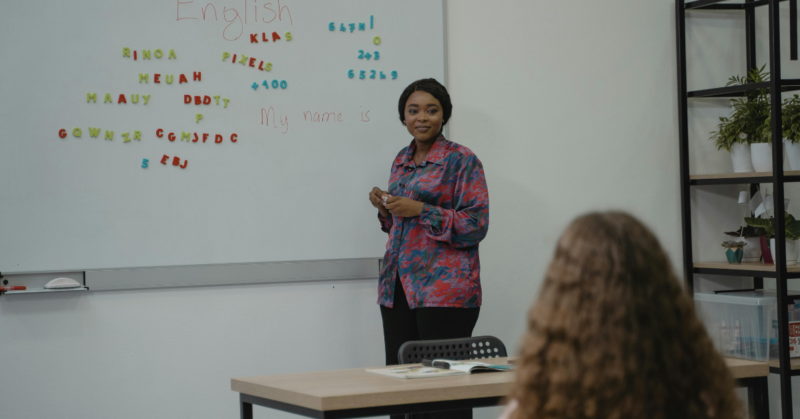
This is where specialized refugee children’s language learning programs play a crucial role. These programs are designed not only to teach the language but also to create a supportive, nurturing environment. Teachers trained in trauma-informed approaches help children process their emotions while learning, fostering both cognitive and emotional development. They integrate play, storytelling, and interactive methods to make language acquisition engaging and meaningful, turning classrooms into safe havens.
Without these tailored programs, refugee children face prolonged educational gaps, which can lead to low self-esteem, social exclusion, and limited prospects. It’s not just about learning a language — it’s about giving them back a sense of normalcy, dignity, and hope.
Success Stories — How Language Learning Transforms Lives
The impact of a well-structured refugee children’s language learning program is profound and far-reaching. Take, for instance, Amina, a young girl from Syria. Arriving in a new country with no knowledge of the language, she felt isolated and frustrated. But through a specialized language program that combined language lessons with art therapy, Amina slowly found her voice. Within months, she was confidently participating in class discussions, making friends, and excelling in her studies.
Another inspiring story is that of Jamal, a boy from Afghanistan who struggled with severe trauma. His program paired him with a language mentor and included peer-based learning activities. These strategies helped him not only acquire the language but also rebuild trust and social confidence. Today, he dreams of becoming a teacher to help other children like himself.
Stories like Amina’s and Jamal’s are testaments to the resilience of refugee children when given the right support. These programs are more than educational tools — they are lifelines that enable children to reclaim their childhoods and envision a brighter future.
How You Can Make a Difference
Language is power. It gives refugee children the ability to express themselves, learn, grow, and ultimately succeed. But countless children remain voiceless, waiting for a chance to participate fully in their new communities.
You can be a part of their journey. By supporting a refugee children’s language learning program, you’re providing more than just education — you’re giving a child a voice, a friend, and a future. Your donation helps fund teachers, materials, and safe learning environments tailored to meet the complex needs of refugee children.
Together, we can turn silence into stories, barriers into bridges, and fear into hope. Donate today and help refugee children find their voice — because every child deserves to be heard.