


Introduction: The Growing Need for Urban Flood Prevention
Imagine a city where once-bustling streets turn into raging rivers overnight, homes are submerged, and families are displaced. Urban flooding is not a distant possibility—it’s an all-too-common reality. Cities worldwide grapple with its devastating consequences, driven by unchecked urbanization and climate change. As these challenges grow, so does the need for innovative solutions. Enter the urban flood prevention infrastructure fund: a lifeline that helps build cities capable of withstanding the deluge.
The fund supports critical projects such as modern drainage systems, flood-resistant housing, and green infrastructure, empowering cities to protect lives and livelihoods. But for these efforts to succeed, they need backing from individuals and organizations alike.
The Impact of Flooding on Cities and Communities
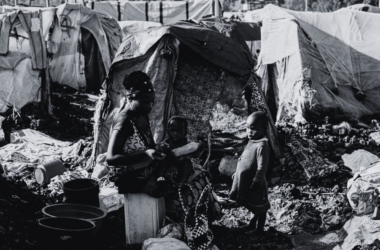
Urban flooding isn’t just water encroaching on streets—it’s a human tragedy that touches every aspect of society. Economic losses often run into billions as businesses close, infrastructure crumbles, and insurance claims surge. Worse yet, the poorest and most vulnerable bear the brunt of these calamities, losing their homes and possessions in an instant.
Floodwaters bring more than destruction; they carry health risks like waterborne diseases and chemical pollution. Beyond the immediate aftermath, the scars left on the environment—eroded landscapes, contaminated soil, and damaged ecosystems—persist for years.
Investing in urban flood prevention infrastructure mitigates these impacts, transforming potential disasters into manageable events. With resources from an urban flood prevention infrastructure fund, communities can reduce their vulnerability and protect what matters most.
The Role of Infrastructure and Funding in Mitigating Flooding
A robust urban flood prevention strategy combines engineering ingenuity and natural solutions. Take Tokyo, for instance: the city’s vast underground floodwater tanks and tunnels have become a global benchmark for preparedness. In Rotterdam, innovative “water plazas” double as recreational spaces during dry weather but become flood reservoirs during storms.
These success stories demonstrate that the right infrastructure can make all the difference, but such projects don’t come cheap. This is where an urban flood prevention infrastructure fund becomes indispensable. It bridges the gap between ambitious designs and practical implementation, ensuring cities have the resources to safeguard their future.
Such funding supports not only large-scale solutions but also community-driven efforts like rain gardens, porous pavements, and urban wetlands. These smaller-scale initiatives not only mitigate flooding but also enhance urban aesthetics and biodiversity.
How You Can Contribute to a Flood-Resilient Future
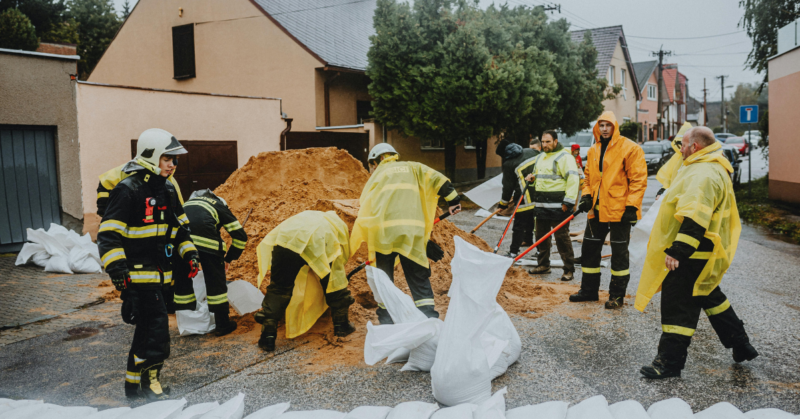
Urban flooding affects us all, directly or indirectly. The time to act is now. By supporting an urban flood prevention infrastructure fund, you play a part in creating a safer, more resilient world. Every contribution fuels innovative solutions that protect lives, reduce displacement, and secure our shared environment.
Whether it’s through a monetary donation, raising awareness, or advocating for local flood prevention initiatives, your actions matter. Together, we can pave the way for smarter, safer urban planning.
Make a difference today: Contribute to building flood-resilient cities by supporting urban flood prevention infrastructure funds. Together, we can change the tides. Donate now to protect communities and future generations.