



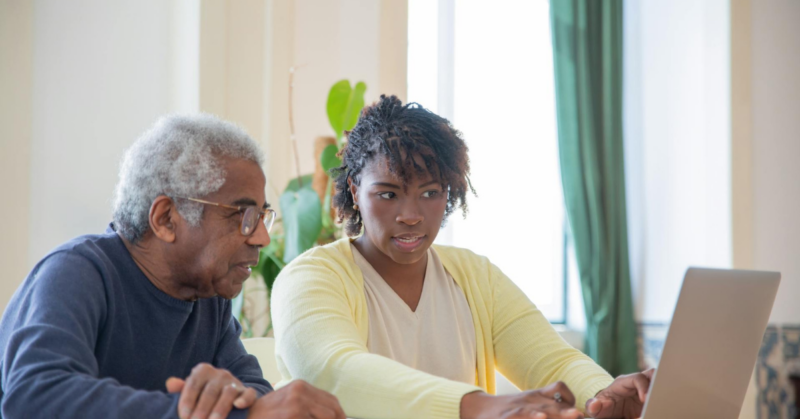
- Introduction to Elder Care and the Importance of Community Support
As the world’s population continues to age, the importance of providing quality care and support for our elderly becomes more crucial. Senior citizens are the backbone of our society, and as they grow older, they may need help with daily tasks, emotional support, and sometimes, medical attention. Many elderly individuals find themselves isolated, lacking the social connection that can improve their quality of life.
This is where the elder care volunteer network comes in. By providing a robust and compassionate volunteer network, we ensure that older individuals receive the care, respect, and companionship they deserve. However, this network isn’t just about offering assistance—it’s about creating a vibrant community where every senior can feel valued and connected.
In today’s fast-paced world, it is often easy to overlook the needs of the elderly, especially when they are no longer part of the workforce or active in their communities. That’s why volunteer programs dedicated to elder care play such an essential role. These networks help bridge the gap, ensuring that elderly individuals are not forgotten but are surrounded by people who genuinely care about their well-being.
- The Role of the Elder Care Volunteer Network
The elder care volunteer network serves a variety of important functions in any community. Volunteers can provide assistance with physical tasks such as transportation to medical appointments, help with daily chores like grocery shopping, or simply spend time with seniors who may experience loneliness. These actions help create a safety net for seniors, reducing feelings of isolation and improving their overall well-being.
In addition to offering practical assistance, the volunteer network helps raise awareness about the unique challenges faced by elderly citizens. Volunteers often act as advocates, speaking up for seniors’ rights and ensuring they have access to the care they need. Through outreach programs, educational events, and personal interactions, the network works to keep the elderly engaged in the community.
One of the key benefits of an elder care volunteer network is the sense of belonging it offers to the elderly. It’s not just about checking in on them or doing their errands; it’s about fostering relationships that provide emotional and psychological support. Volunteers are there to listen, share stories, and ensure seniors don’t feel invisible or alone. The emotional bond that volunteers build with elderly individuals helps them live with dignity and joy, despite their challenges.
- How You Can Get Involved in an Elder Care Volunteer Network
The best part about the elder care volunteer network is that anyone can join and make a significant difference in the lives of the elderly. Whether you are a student looking for community service hours, a retiree with time to spare, or simply someone who wants to give back to the community, there is always a place for you.
Getting involved is easier than you might think. Start by researching local organizations that provide volunteer opportunities for elderly care. Many nonprofit organizations, senior care centres, and hospitals offer formal programs where you can sign up as a volunteer. These organizations typically provide training, ensuring that you are prepared to provide the best possible care for the seniors you’ll be assisting.
Once you’re part of a volunteer network, you can decide how much time you’re able to contribute. Some people volunteer every week, while others may be able to dedicate more or less time. The key is consistency. Even just an hour of your time can brighten an elderly person’s day and provide them with much-needed support.
Beyond just volunteering your time, there are other ways you can contribute to the elder care volunteer network. Donations of money, food, or even gently used items such as clothing or books can make a big difference in supporting the efforts of the network. You can also organize or participate in fundraising events to ensure that these networks have the resources they need to continue their important work.
- Conclusion and Call to Action: Making a Difference in Your Society
While volunteering your time and resources can have a direct impact on the elderly individuals you interact with, the ripple effect can extend throughout your entire community. By contributing to an elder care volunteer network, you help build a society that values the elderly and recognizes the importance of supporting one another. These efforts can also inspire others to get involved, creating a culture of compassion and care that benefits everyone.
We encourage you to make a real, lasting difference in the lives of our senior citizens. Whether through volunteering, fundraising, or donations, your involvement can provide much-needed support to the elderly in your community. If you’re not sure where to start, look for organizations or local groups working on elder care and inquire about how you can help.
Together, we can make a significant impact. So, take action today—volunteer, donate, or spread the word about the elder care volunteer network. Your contributions can transform lives and help create a society where our elderly are cared for and cherished.
Make a difference in your society today. Donate to or volunteer for an elder care network near you and help support those who once supported us.