


The Daily Struggle: Understanding the Reality for Rural Students
For many rural students, the education journey is not just a matter of distance — it’s a daily battle. While urban children may have access to reliable buses or even private vehicles, rural students often face long walks along unsafe roads, unpredictable weather, or overcrowded, poorly maintained vehicles. These barriers don’t just affect attendance — they influence academic performance, safety, and overall well-being.
Safe school transportation for rural students isn’t a luxury; it’s a necessity. Without reliable ways to reach their classrooms, many children risk dropping out altogether. Imagine a child walking for miles on unpaved, deserted paths, crossing rivers, or dodging fast-moving traffic just to reach a school desk. This is the reality for countless children in rural communities worldwide.
It’s time to acknowledge that the education journey should never endanger a child’s life. By prioritizing secure, accessible, and efficient transportation, we open doors to learning, growth, and a brighter future.
The Risks of Inadequate Transportation Systems
When we talk about education, we often focus on books, teachers, and school infrastructure — but what about the journey to get there? For rural students, unsafe school transportation systems present serious risks.
Children packed into overcrowded vans, hitching rides on motorbikes, or even clinging to the sides of trucks are not uncommon sights in remote regions. These dangerous methods not only lead to accidents and injuries but also cause emotional distress, impacting students’ mental and physical readiness to learn.
Moreover, the financial strain on families who can’t afford even the unreliable transport options leads to inconsistent attendance or, worse, keeping children at home. In many cases, girls are especially affected, with parents reluctant to let them travel through unsafe routes.
Addressing these risks means more than providing a vehicle — it’s about ensuring the right infrastructure, trained drivers, and regular vehicle maintenance to create a sustainable, safe school transportation system for rural students.
Transforming Rural School Transportation: A Path Forward
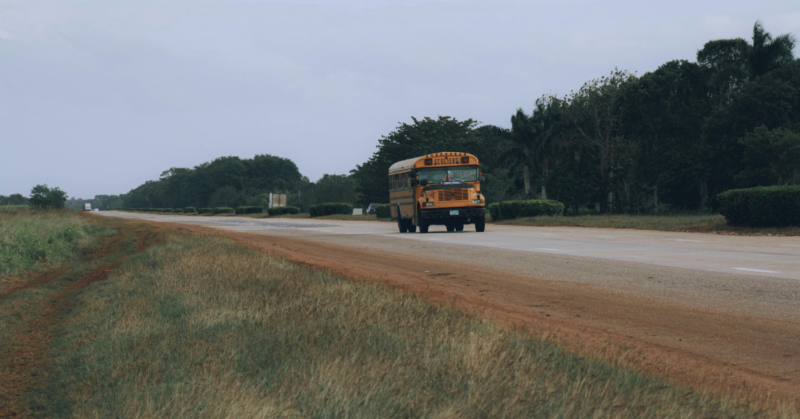
Solutions exist — but they require awareness, funding, and community effort. From school buses designed for rough terrains to bike-sharing programs and even solar-powered transport innovations, the possibilities to ensure safe school transportation for rural students are diverse and inspiring.
Local governments, NGOs, and private donors are already paving the way for change. In some regions, community-driven transport cooperatives are emerging, where parents, schools, and local drivers collaborate to run safe, affordable school routes. In other areas, creative approaches like boat schools for flood-prone areas or camel carts in desert regions ensure children get to school safely.
However, these initiatives can only expand and succeed with more awareness and support. By pooling resources and expertise, we can replicate and scale successful models across more rural communities, ensuring no child is left behind because of transportation challenges.
Make a Difference: Your Role in Creating Safer School Journeys
The fight for accessible, safe school transportation for rural students isn’t just a policy issue — it’s a societal responsibility. Every child deserves an equal chance at education, regardless of where they live.
You can help make a tangible difference. Whether by advocating for better infrastructure, supporting local transport initiatives, or donating to organizations dedicated to creating safer school routes, your contribution can fuel real change.
Take action today. Help bridge the gap between education and opportunity. Donate now to support safe school transportation programs for rural students — because every mile matters.