


Introduction: The Importance of Energy Efficiency in Low-Income Housing
In communities where financial constraints are a daily reality, low-income housing represents both a challenge and an opportunity. These homes often face higher energy costs, inefficient heating, and cooling systems, and poor insulation. As the demand for affordable living continues to rise, it’s crucial to focus on improving these spaces with energy efficiency upgrades. Implementing these upgrades in low-income housing not only reduces costs for residents but also contributes to a more sustainable environment.
Energy efficiency upgrades in low-income housing serve as a fundamental solution to many challenges. It improves residents’ quality of life, reduces utility bills, and supports environmental sustainability. In this blog post, we will explore the significance of these upgrades and how they can make a difference in the lives of those who need them most.
Section 1: The Impact of Energy Efficiency Upgrades on Low-Income Housing
Energy efficiency upgrades are designed to reduce energy consumption and improve the overall performance of a home. For low-income families, the benefits are particularly significant. Many of these households face the burden of high utility bills, sometimes exceeding the cost of rent. With energy efficiency improvements, these families can enjoy more affordable living.
Upgrades like improved insulation, energy-efficient windows, and better heating and cooling systems can drastically reduce energy consumption. By sealing gaps and improving airflow, homes become better insulated, keeping warm air inside during the winter and cool air during the summer. This not only makes living conditions more comfortable but also prevents energy waste, contributing to long-term savings.
For example, a well-insulated home requires less energy to heat and cool, meaning lower utility bills for the residents. This can be especially beneficial in areas where energy costs are high, such as in urban areas or regions with extreme weather conditions.
Section 2: Addressing the Challenges Faced by Low-Income Communities
Despite the clear benefits, many low-income households lack access to energy-efficient housing. Several factors contribute to this, including the initial cost of upgrades and limited resources for maintenance. Often, energy efficiency improvements are seen as an investment that low-income households simply cannot afford, even though the long-term savings would more than offset the initial costs.
Government programs and nonprofits play a key role in providing financial assistance or incentives to implement energy efficiency upgrades. Programs aimed at improving the energy performance of low-income housing are essential to overcoming these barriers. Through grants, low-interest loans, or subsidies, these programs make it possible for families to access energy-efficient solutions without the upfront costs.
Additionally, some organizations collaborate with local utility companies to offer energy audits and efficiency assessments, which can help identify the most cost-effective solutions for each household. This personalized approach ensures that each home receives the upgrades most suited to its needs, ensuring maximum impact.
Section 3: Sustainable Solutions for Low-Income Housing Energy Efficiency Upgrades
One of the major advantages of energy efficiency upgrades in low-income housing is the potential for long-term sustainability. With global concerns over climate change and rising energy demands, it’s more important than ever to focus on sustainability. Energy-efficient homes contribute to a reduced carbon footprint and lower greenhouse gas emissions, which is beneficial not only for the families who live in them but for society as a whole.
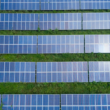
Low-income housing energy efficiency upgrades are also an opportunity to reduce dependence on nonrenewable energy sources, like coal and natural gas. By promoting the use of renewable energy solutions, such as solar panels, these homes can become even more sustainable. The integration of solar panels or other renewable technologies can help reduce electricity costs and reliance on the grid, allowing these homes to be more self-sufficient.
When families can rely on their energy sources, they become more empowered, and the community becomes less vulnerable to fluctuating energy prices. Energy-efficient upgrades can help shift low-income households toward energy independence, improving their financial stability while contributing to a more sustainable future for all.
Section 4: How You Can Help Make a Difference
While these energy-efficient solutions can transform low-income housing, many communities still need the support to make them a reality. Local governments, businesses, and nonprofits are working hard to bring about these changes, but the need for additional funding is great.
By donating to causes focused on low-income housing energy efficiency upgrades, you can make a tangible impact in the lives of individuals and families who need it most. Your contribution can help fund energy audits, provide financial support for energy-efficient materials, or sponsor projects that implement solar panels or better insulation.
Donating to support these efforts is an investment in the future of our communities. By supporting low-income housing energy efficiency upgrades, you are helping to create healthier, more sustainable environments for those who need it most. Whether through small donations or larger corporate contributions, every effort counts.
Conclusion: Take Action Today
Energy efficiency upgrades in low-income housing can significantly improve the lives of residents while benefiting the environment and society at large. However, these upgrades require collective action, and your help can make a difference. By supporting programs and donations that focus on energy efficiency solutions, we can contribute to a future where all families have access to affordable, comfortable, and sustainable homes.
Your donation can help fund energy-efficient upgrades for families in need, reducing their energy costs and promoting sustainability. Together, we can create stronger communities and a brighter future for all. Make a difference by donating today and helping support the cause of low-income housing energy efficiency upgrades.