

The Need for Accessible Public Parks
Public parks have always been a staple in urban environments, offering a space for recreation, socializing, and connecting with nature. However, many of these parks still face accessibility issues that limit their usefulness for people with disabilities, elderly individuals, and families with young children. As cities grow and populations become more diverse, it’s crucial to ensure that everyone can enjoy these vital public spaces. Public park accessibility improvements are key to making sure that everyone, regardless of their physical abilities or circumstances, can benefit from the outdoors.
Incorporating accessibility features into public parks doesn’t just mean adding ramps or wider paths; it’s about creating a welcoming and inclusive environment for all. This is especially important when we consider the diverse needs of society. Improving access to parks is a fundamental step toward building a more inclusive and compassionate community. In this blog post, we’ll explore the current state of public park accessibility, the challenges people face, and how we can improve these spaces for the benefit of everyone.
Current Challenges in Park Accessibility
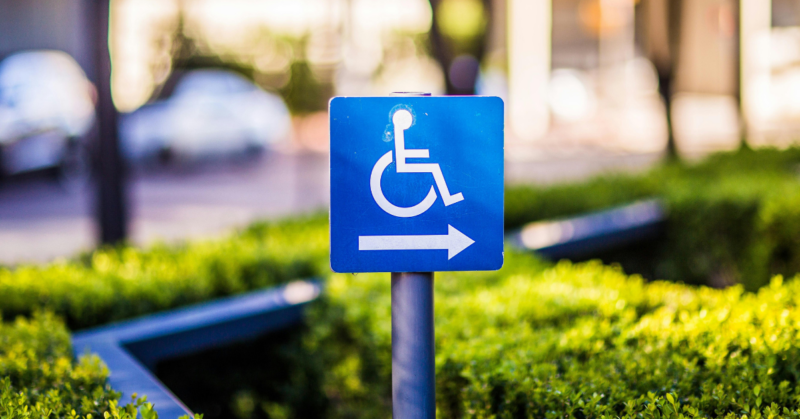
While some public parks have made significant strides in improving their accessibility, many still face a range of challenges. For instance, poorly maintained walkways, lack of wheelchair ramps, uneven surfaces, and inadequate signage all pose barriers to individuals with mobility issues. These challenges often discourage people from visiting parks, which are intended to be places of relaxation and social interaction.
One of the biggest issues is the lack of consistent standards across different parks. In some cases, parks are built with minimal consideration for individuals with disabilities, creating an environment where people who use wheelchairs, walkers, or strollers may feel unwelcome. Moreover, park facilities like restrooms, seating areas, and picnic spaces often lack the necessary accommodations for those with mobility difficulties.
The lack of universal design in public parks means that many people are excluded from enjoying the benefits of outdoor spaces, such as physical exercise, fresh air, and social interaction. To rectify this, we need a systemic shift toward improving public park accessibility and ensuring that these spaces are designed to meet the needs of all individuals, regardless of their physical abilities.
The Benefits of Accessibility Improvements in Public Parks
Improving accessibility in public parks brings numerous benefits to individuals and communities. When public park accessibility improvements are made, people of all ages and abilities can enjoy the outdoors in a safe and welcoming environment. For people with disabilities, these improvements can make a world of difference, allowing them to engage in physical activities, enjoy the company of friends and family, and feel a sense of belonging in their community.
For example, adding ramps, wider paths, and smooth surfaces allows individuals who use wheelchairs or mobility aids to navigate the park with ease. Accessible picnic tables and benches provide comfortable spaces for people with disabilities to rest or socialize, while accessible restrooms offer necessities for all visitors. Additionally, incorporating sensory elements, such as tactile paths for the visually impaired or quiet spaces for those with autism, enhances the overall experience for everyone.
Furthermore, accessible public parks promote social inclusion. By providing equitable access to green spaces, we encourage interaction between people of different backgrounds and abilities, fostering a sense of community and belonging. Parks become places where friendships are formed, families bond, and individuals can connect with nature in a meaningful way. These interactions ultimately create a stronger, more resilient community.
How You Can Make a Difference: A Call to Action
While the need for public park accessibility improvements is clear, making lasting change requires collective action. Local governments, urban planners, and community organizations play a crucial role in advocating for and implementing accessibility improvements. However, individuals can also make a significant impact by contributing to initiatives that promote more accessible public spaces.
One way to support these efforts is by donating to organizations dedicated to enhancing park accessibility. These organizations work to raise awareness about the importance of inclusivity in public spaces, lobby for policy changes, and fund the construction of accessible features in parks. Your donation, no matter the size, can help make a lasting difference in the lives of people with disabilities, elderly individuals, and families across your community.
If you are passionate about creating a more inclusive society, consider donating to initiatives that focus on public park accessibility improvements. Your generosity will ensure that everyone, regardless of their physical abilities, can enjoy the benefits of nature, recreation, and social connection. Together, we can create a world where public parks are truly accessible to all.
Let’s work together to make our communities more inclusive! Consider donating today to help fund essential accessibility improvements in public parks. Your contribution can help create spaces that are welcoming, inclusive, and accessible for everyone, regardless of their physical abilities. Join us in making a lasting impact on the lives of those who need it most. Together, we can build a better, more accessible future for all.