


Introduction: The Devastating Impact of Natural Disasters
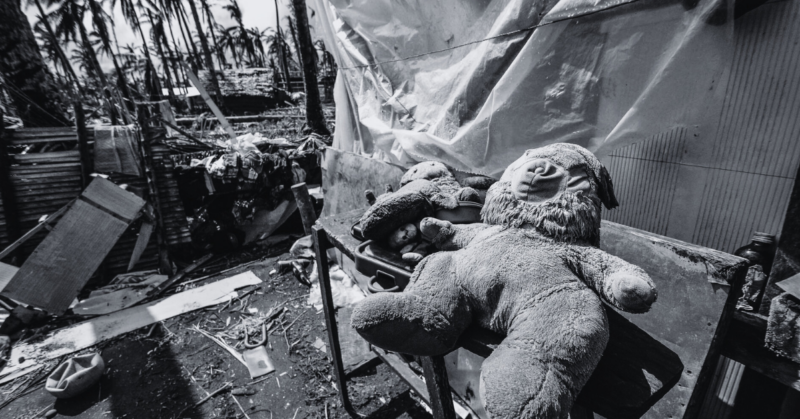
Natural disasters such as hurricanes, earthquakes, and floods leave behind not only shattered communities but also thousands of families without a home. In many instances, homes are reduced to rubble, and the people who once lived in them are left to rebuild their lives from scratch. Natural disaster housing aid becomes a crucial lifeline for these affected individuals, helping to provide the shelter and support necessary for recovery. The need for adequate housing solutions is more urgent than ever, as displaced families struggle to find safety and stability.
As global weather patterns continue to shift due to climate change, the occurrence and intensity of natural disasters have increased. With every disaster, the need for emergency housing becomes more critical. In this post, we will explore the importance of natural disaster housing aid, how it can help communities bounce back, and why it is essential for each of us to play a role in supporting these efforts.
The Role of Housing Aid in Post-Disaster Recovery
Following a natural disaster, one of the first and most urgent needs of the affected population is shelter. Without adequate housing, recovery efforts can stall, and the emotional toll on victims increases. Natural disaster housing aid includes providing temporary shelters such as tents, container homes, and prefabricated buildings that offer basic protection and warmth. But more than just short-term solutions, long-term housing programs are needed to help rebuild the homes that were lost.
The role of housing aid extends beyond simply providing shelter. It is about offering a safe place where people can heal, regroup, and start rebuilding their lives. With the right support, families can regain a sense of normalcy and stability. Governments and non-profit organizations are often the first responders, but they cannot do it alone. Community involvement, both in terms of volunteer efforts and financial contributions, is critical for the success of these housing projects.
How Natural Disaster Housing Aid Works: From Emergency Relief to Reconstruction
When a disaster strikes, natural disaster housing aid is typically distributed in phases. The first phase involves providing emergency shelter to those affected. Organizations often set up makeshift housing to provide temporary relief, such as tents or community centres, where displaced individuals can take refuge.
The next phase focuses on rebuilding efforts, which may include the construction of permanent homes or the restoration of damaged properties. This is a long-term process that requires significant resources, including skilled labour, materials, and funding. The challenge lies in creating housing that not only restores the affected communities but also ensures the homes are resilient against future natural disasters.
In many cases, aid organizations partner with local governments to design sustainable housing solutions that can withstand the impact of future disasters. This might involve rebuilding homes with stronger materials, raising the foundations to avoid flooding, or using construction methods that are more suitable for the local environment.
How You Can Make a Difference: Supporting Natural Disaster Housing Aid
While governments and organizations play a significant role in providing natural disaster housing aid, the power of individual contributions cannot be overstated. Each of us has the ability to make a meaningful impact, whether through financial donations or volunteering.
Donating to reputable disaster relief organizations is one of the most effective ways to support natural disaster housing aid. Your contributions help provide materials, labour, and the infrastructure needed to build homes for those affected. In addition, volunteers who lend their time and skills can help with the construction of homes, offering a direct and hands-on approach to rebuilding.
The challenge is great, but so is the opportunity. By coming together as a society, we can create lasting solutions that ensure everyone has access to a safe and secure place to live. We can help rebuild not just homes, but also lives.
Conclusion: Be the Change
Natural disasters disrupt lives in ways we can hardly imagine, and the recovery process is long and arduous. But natural disaster housing aid offers a ray of hope. Through timely intervention, thoughtful support, and community-driven initiatives, we can help rebuild homes and restore dignity to those affected.
Now, more than ever is the time to take action. Whether through a financial donation, volunteering your time, or raising awareness, your contribution will make a real difference in the lives of those in need.
Make a Difference Today: Your donation can help provide shelter and stability for families affected by natural disasters. Together, we can build a better, safer world—one home at a time. Donate now and be a part of the solution.