


Introduction: Understanding the Need for Crisis Housing
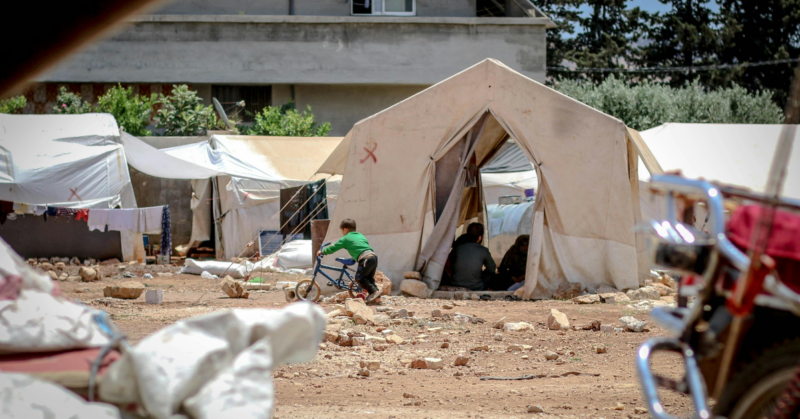
Picture this: A mother holding her young child tightly while staring at the remnants of what was once her home. A father, overwhelmed, wonders how to protect his family without shelter. This is the grim reality for displaced families around the world, victims of unforeseen disasters, conflicts, or economic instability.
The need for crisis housing for displaced families has never been more urgent. These families, often left without shelter, face challenges in rebuilding their lives. Crisis housing offers a glimmer of hope, providing temporary but essential support until more stable arrangements can be made.
With the number of displaced individuals increasing each year, it is crucial to spotlight the transformative power of these initiatives—not just for immediate relief but for restoring dignity and hope.
The Emotional and Social Impact on Displaced Families
Displacement uproots families, leaving them vulnerable and exposed to emotional and social challenges. Imagine losing the safety of your home, a space that once embodied security and comfort. Beyond the material loss, displaced families often experience:
- Emotional Trauma: Separation from loved ones and the uncertainty of the future often lead to anxiety, depression, and stress.
- Disrupted Education: For children, this means losing access to schools and the stability that education provides, setting their development back for years.
- Social Stigma: Displaced families may be treated as outsiders, facing discrimination and difficulty integrating into new communities.
Crisis housing doesn’t just address the physical need for shelter. It creates a haven where families can recover from the trauma of displacement, rebuild their mental health, and reconnect with their communities.
Crisis Housing Solutions: How They Work and Why They Matter
Crisis housing comes in many forms, including temporary shelters, community centres, modular homes, or even converted shipping containers. These solutions are designed for rapid deployment, ensuring families have a place to call home after being uprooted.
Key benefits of crisis housing for displaced families include:
- Immediate Shelter: These facilities provide a secure environment, protecting families from harsh weather and other external threats.
- Support Services: Many shelters offer on-site counselling, legal aid, job placement assistance, and educational resources, empowering families to regain stability.
- Community Building: Living alongside others in similar situations fosters mutual support, reducing feelings of isolation and fostering resilience.
For example, innovative programs like transitional villages integrate sustainable designs and community-driven approaches, enabling displaced families to thrive rather than merely survive.
Governments, NGOs, and private donors often collaborate to make these projects possible, but the resources remain limited. By increasing awareness and funding, we can scale these programs to reach even more vulnerable families.
Make a Difference Today
The growing demand for crisis housing for displaced families highlights an issue too significant to ignore. Behind every statistic lies a human story—a family desperate for safety, a child longing for stability, a community fighting to rebuild.
You have the power to be part of the solution. By donating, spreading awareness, or volunteering with organizations committed to sheltering displaced families, you can contribute to life-changing initiatives.
Act today and take the first step toward transforming lives. Your generosity could mean a warm bed for a family in crisis, a school for a child eager to learn, and hope for those who feel forgotten.
Conclusion: Take the First Step Now
Every displaced family deserves a chance to rebuild their life. Crisis housing offers more than just a roof—it restores hope and a sense of belonging to families who’ve lost everything.
Together, we can make a difference. Join the movement today—donate to programs providing crisis housing for displaced families and bring shelter, dignity, and hope to those in need.