


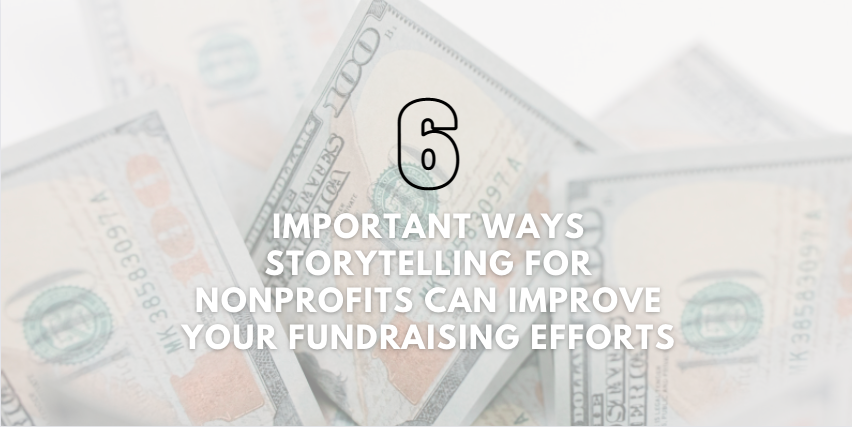
When you think of nonprofit organizations, what normally comes to mind are images of people in need. The plight of those who have less than others hits home especially when you see the images in front of you. Perhaps it’s a child without parents, or a man with no hands begging for money on the street. What we don’t often think about are nonprofits as businesses that need to grow and expand their services to help more people in need. But how do you effectively describe a nonprofit organization’s services and programs when your target audience is so used to seeing pictures of people in need? You use storytelling. Nonprofit organizations can use storytelling for fundraising efforts, marketing strategies, and employee communication. Read on to discover seven ways that storytelling for nonprofits can improve your fundraising efforts:
Build Trust With Your Audience
Trust is at the core of every strong relationship. When donors don’t trust that their funds are going to a worthy cause, they aren’t likely to give. And when potential customers don’t trust your brand, you aren’t likely to earn their business. To build trust with your audience, you need to start with a strong brand identity. Your brand identity tells your audience who you are, what you do, and why people should do business with you. When you tell your nonprofit’s story, you build trust with your audience. You show them that you are a trustworthy person or organization that wants to help them. Telling your audience what you do, how you do it, and why it’s important can not only help you boost fundraising efforts, but also help you find volunteers, recruit new staff members, and attract investors.
Educate Your Audience
Many nonprofit organizations choose to educate their audience about the causes they support through storytelling. When you educate your audience, you are providing them with the information they need to know to make informed decisions. You are taking the time to tell your story so that your audience can fully understand what’s happening. Educating your audience can help you increase donor retention rates by showing donors that you care about the work you’re doing and the people you are helping. It can also help new volunteers better understand your organization’s vision and goals.
Strengthen Relationships With Donors
When you strengthen relationships with donors, you increase the likelihood that they will continue to donate to your organization. In some cases, donors may choose to increase their donation amount, making your nonprofit more successful. When you strengthen relationships with donors, you are giving them reasons to want to stay with your nonprofit organization. You are making them feel appreciated for their contributions and giving them a better understanding of how their donations are making a difference in the world. For example, if you have a donor who is very interested in a specific program that you offer, you can tell them more about that program. In addition to that, you can also tell them about the other programs that your nonprofit offers. This will help them to better understand what your nonprofit does. It will also help them to feel like they are a part of something bigger.
Increase Brand Awareness
Branding is about more than just creating a logo for your organization. Branding is about creating a name and visual identity for your nonprofit that differentiates it from other organizations. When you are branding your nonprofit, you are telling your audience what your organization is, what you’re about, and why people should care about your nonprofit. Branding is important because it gives donors a consistent experience with your nonprofit while they are giving donations, volunteering with you, or learning more about your organization. When you are branding your nonprofit, you are creating a consistent image that people can rely on. Branding can help you to increase brand awareness. It can help you to reach a larger audience and grow your organization, particularly when you are telling your nonprofit’s story.
Create a Compelling Event Experience
Some nonprofit organizations host fundraising events, such as galas, marathons, concerts, or sporting events. These events are perfect opportunities to tell your nonprofit’s story to a large group of people. Telling your nonprofit’s story at these events can help you reach new audiences, such as those who are in your area for the event. It can also help you strengthen relationships with donors who attend the event. When you are telling your nonprofit’s story at an event, you are helping your audience to better understand your organization. You are showing them the work that you do and the difference that it makes in people’s lives. You are helping them to feel like they are a part of something bigger. Doing this will help you to build relationships with those in attendance and increase donor retention rates.
Show Staff Members Are Real People
Many people don’t realize that nonprofits are made up of people just like them. When you show your audience that your nonprofit is made up of real people, they are more likely to feel connected to your organization. They are more likely to feel like they can make a difference in the world. When you show your audience that nonprofit employees are real people, it can also help you in recruiting new employees. Hiring qualified candidates is an important part of growing your nonprofit organization, but it can be difficult to find the right people for the job. When you show your audience that nonprofit employees are real people, you can help them to feel more connected to your organization. This can make them more likely to apply for a position at your nonprofit and less likely to feel like their application will go unnoticed.
Conclusion
Storytelling for nonprofits can help organizations build trust with their audience, educate them about the causes they support, strengthen relationships with donors, increase brand awareness, create a compelling event experience, and show staff members are real people. It can help you to grow your nonprofit by reaching new audiences and attracting potential volunteers, donors, and staff members.
ALSO READ