


1. Introduction: The Value of Music Education in Society
Music is a universal language that transcends barriers, uniting individuals from diverse backgrounds. For centuries, it has been a powerful tool for emotional expression, cultural preservation, and social connection. Public music education has played a vital role in ensuring that students, regardless of their economic status, have access to the transformative power of music.
Beyond its artistic value, music education has been proven to enhance cognitive abilities, improve academic performance, and build social skills. Students exposed to music are more likely to develop discipline, teamwork, and creative thinking. These benefits highlight why the preservation of public music education is crucial—not just for individual growth but for the enrichment of society as a whole.
2. The Challenges Facing Public Music Education
Despite its undeniable benefits, public music programs face significant challenges. Budget cuts, especially in underfunded school districts, often lead to the elimination of arts programs, with music education being one of the first to go. This is not only a disservice to students but also a threat to the cultural and artistic fabric of communities.
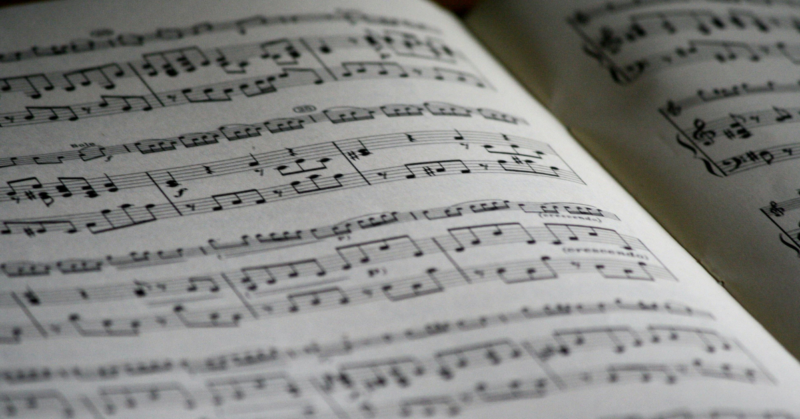
Another pressing issue is the lack of resources. Schools struggle to afford musical instruments, sheet music, and qualified instructors. This lack of support diminishes the quality of education and discourages students who may have otherwise thrived in a musical environment.
Without efforts aimed at public music education preservation, future generations may lose access to a vital part of their learning experience. Music education should not be a privilege reserved for the elite; it is a necessity for nurturing well-rounded, capable individuals who can contribute meaningfully to society.
3. The Importance of Preserving Public Music Education
The preservation of public music education is not just about maintaining school programs—it is about safeguarding the cultural legacy of communities. Music reflects history, tells stories, and brings people together. Schools play a critical role in keeping these traditions alive by passing down skills and appreciation for music to younger generations.
Moreover, preserving public music education ensures equal opportunities for students. Studies show that children from lower-income families benefit the most from music programs, as these are often their only exposure to arts education. Without these programs, the gap between privileged and underserved communities widens, perpetuating cycles of inequality.
Public music education also fosters community engagement. Concerts, recitals, and performances bring families and neighbours together, creating bonds that strengthen societal cohesion. By investing in music education, we are investing in our collective future, nurturing creativity, empathy, and cultural pride.
4. How You Can Support and Make a Difference
The challenges to public music programs can feel daunting, but there are concrete ways to help preserve these programs. Your actions, no matter how small, can make a profound difference:
- Donate to Music Programs: Financial contributions can help schools purchase instruments, hire skilled educators, and maintain existing programs.
- Advocate for Arts Education: Speak out at school board meetings, sign petitions, and support policies that prioritize funding for arts programs.
- Volunteer Your Time: If you have musical skills, consider volunteering as an instructor or performer to inspire students and support overburdened educators.
- Sponsor Community Initiatives: Partner with local organizations to create scholarships or fundraisers for public music education preservation.
Now more than ever, we need to act collectively to ensure that every child has the chance to experience the joy and benefits of music.
Music has the power to transform lives, but its accessibility is under threat. Together, we can ensure that public music education continues to thrive for future generations. By donating to support music programs in your community, you are not just preserving a subject in school—you are preserving a source of hope, creativity, and unity.
Make a difference today. Contribute to public music education preservation and help us build a harmonious tomorrow.