


Introduction
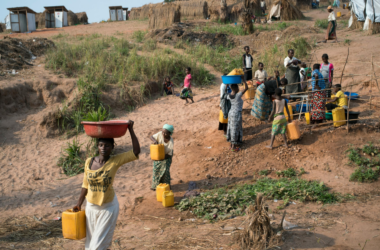
Refugees face daunting challenges as they flee conflicts, natural disasters, or persecution in search of safety. Among these challenges, access to adequate healthcare and proper nutrition often takes centre stage. Refugees frequently settle in camps or host communities with limited resources, making these essentials hard to come by. In this post, we’ll explore the significance of refugee healthcare and nutrition support, why it’s crucial, and how collective efforts can make a difference.
The Healthcare Crisis for Refugees
Millions of refugees live with precarious health conditions. Many arrive at camps with illnesses or injuries sustained during their perilous journeys. Unfortunately, host countries and aid organizations are often overwhelmed and underfunded, unable to provide the necessary medical resources.
Malnutrition, communicable diseases, and lack of access to chronic illness management are common issues. Women and children are especially vulnerable, requiring prenatal care and immunizations that are frequently unavailable. By addressing the need for healthcare within refugee populations, we’re not just treating diseases; we’re restoring dignity and providing hope for a better future.
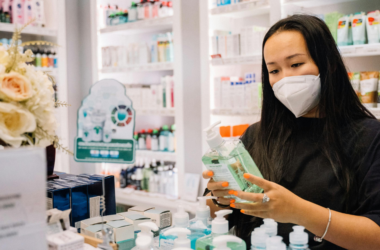
Programs providing refugee healthcare and nutrition support save lives every day. Mobile clinics, trained volunteers, and partnerships with local healthcare systems are critical solutions. These efforts highlight the power of global compassion in mitigating one of the largest humanitarian crises of our time.
The Role of Nutrition in Refugee Well-Being
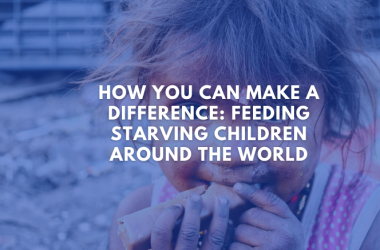
Food insecurity plagues refugee settlements worldwide, contributing to widespread malnutrition. This problem isn’t merely about hunger; malnutrition weakens the immune system, reduces cognitive function, and stunts growth in children.
Imagine surviving trauma only to face the devastating effects of starvation. It’s a grim reality for many refugees. However, programs designed for refugee healthcare and nutrition support—including fortified food packs, community farming initiatives, and nutrition education—can reverse these trends.
Global organizations collaborate with local communities to distribute essential food supplies, ensure cultural sensitivity in meal planning, and empower refugees to take control of their food security. These interventions prove that sustainable nutrition practices are achievable even in crises.
Success Stories of Change and Impact
Around the world, countless stories showcase the transformative impact of addressing refugee healthcare and nutrition challenges. For instance, in Uganda, a nation hosting over 1.5 million refugees, partnerships between international NGOs and local health systems have bolstered access to lifesaving medical care.
Similarly, in Jordan’s Zaatari camp, innovative farming initiatives teach refugees how to grow nutrient-rich vegetables using hydroponic techniques. These projects deliver more than sustenance; they restore autonomy and purpose to people whose lives have been disrupted.
Such success stories demonstrate that targeted interventions—centred around refugee healthcare and nutrition support—have the potential to rewrite narratives and enable self-reliance. They also reinforce the importance of sustained global solidarity.
How You Can Make a Difference
Combatting refugee health and nutrition issues isn’t just about large-scale initiatives; it also involves individual actions. Governments, NGOs, and philanthropists rely on grassroots efforts and public contributions to fuel their programs. You can join this mission by raising awareness, volunteering, or donating to credible organizations.
Imagine the difference a modest contribution can make: providing vaccines for children, funding mobile clinics, or delivering nutritious food to families who’ve known hunger for too long. Every effort matters and collective action creates lasting change.
The time to act is now. Refugee healthcare and nutrition support are not abstract concerns—they are urgent needs that affect millions of lives. As global citizens, we hold the power to extend lifelines to those who need them most. Consider donating to reputable organizations today. Together, we can bring hope, health, and nourishment to refugees, showing that humanity’s kindness knows no borders.