


Introduction: The Role of Fitness in Community Well-being
Imagine a world where everyone, regardless of age, income, or physical ability, has the opportunity to embrace a healthier lifestyle. Fitness is not just about aesthetics or achieving a certain body type; it’s about fostering overall well-being—physical, mental, and social. However, for many people around the globe, participating in regular fitness activities remains a distant dream due to financial constraints, limited access, or lack of resources.
Accessible community fitness programs play a pivotal role in breaking down these barriers and opening doors to better health for all. These initiatives aren’t just a luxury; they are essential building blocks for stronger, more inclusive communities. By fostering connections, improving health outcomes, and enhancing the quality of life, these programs have the potential to transform societies from the ground up.
Overcoming Barriers: Why Accessible Community Fitness Programs Matter
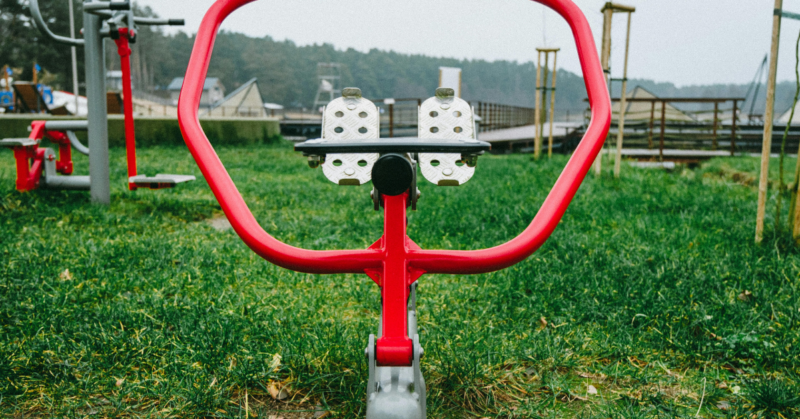
In many neighbourhoods, particularly underserved areas, access to fitness facilities and programs can be incredibly limited. High gym fees, lack of public workout spaces, and unavailability of specialized equipment often prevent people from pursuing an active lifestyle. Accessible community fitness programs aim to bridge this gap, ensuring that no one is left behind.
Consider free or low-cost yoga sessions in parks, community-run fitness classes, or school gyms that open their doors for neighbourhood exercise initiatives. These programs bring exercise to where it’s needed most and foster a sense of belonging.
Beyond physical health, accessible fitness programs address critical social issues. They reduce stress and combat mental health challenges, foster inclusivity by bringing together individuals from diverse backgrounds, and even mitigate public health crises like obesity and heart disease.
By advocating for these programs, we’re not just promoting exercise—we’re championing equity, inclusion, and healthier lives for everyone.
Success Stories: Inspiring Transformations in Local Communities
The beauty of accessible community fitness programs lies in their far-reaching impact. Across the globe, these initiatives have already made a tangible difference in the lives of many.
Example 1: Free Zumba Classes in Urban Parks
In a bustling city, a local group launched free Zumba sessions at the central park every weekend. Initially, a handful of participants showed up, but over time, the energy and camaraderie became contagious. Today, over 200 people of all ages gather to dance, sweat, and support one another, cultivating a vibrant community that thrives on positivity and movement.
Example 2: Adaptive Fitness for People with Disabilities
In another inspiring example, a non-profit partnered with fitness professionals to create programs tailored to people with disabilities. These sessions not only enhanced physical fitness but also built confidence and reduced isolation among participants.
Example 3: Community Walking Clubs in Rural Towns
Rural towns, where gyms may be scarce, have embraced walking clubs that meet daily. These groups not only encourage residents to stay active but also foster friendships, encourage goal-setting, and help address health issues.
These stories highlight the transformative power of making fitness accessible. From urban centres to rural landscapes, the ripple effects extend far beyond individual participants, improving the health and well-being of entire communities.
Join the Movement: How You Can Make a Difference
Creating a world where everyone can lead healthier lives starts with us. Whether you’re an individual, a business owner, or part of a larger organization, there are countless ways to support accessible community fitness programs.
How You Can Contribute:
- Volunteer Your Time or Expertise
- If you’re a fitness enthusiast or a certified instructor, consider offering free or affordable classes. Every hour you donate has the potential to change lives.
- Support Community Initiatives
- Seek out local organizations already championing fitness accessibility and donate to their programs. Many non-profits rely on external funding to sustain their efforts.
- Advocate for Public Policies
- Encourage city officials to prioritize accessible fitness options in community planning. Policies that fund public parks, free fitness events, or low-cost gyms can have a lasting impact.
- Lead by Example
- Start your community fitness group! Whether it’s a walking club, a bike-to-school initiative, or even online workout sessions, your leadership could inspire others to join the journey toward better health.
Together, we can pave the way for a healthier future for everyone, but it starts with you. Consider donating to organizations dedicated to expanding fitness opportunities for underserved populations. Let’s work together to transform lives. Donate today and be a part of the movement for healthier, stronger, and more connected communities.