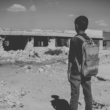




The Healthcare Divide in Rural Communities
Healthcare remains a basic human right, yet millions in rural areas face limited access to quality medical services. Remote communities often struggle with understaffed health clinics, inadequate equipment, and poor infrastructure. This stark divide affects health outcomes, leading to preventable diseases, maternal mortality, and chronic illnesses.
While urban areas benefit from cutting-edge medical innovations, rural clinics lag, highlighting the urgent need for technology for rural health clinics. Innovations such as telemedicine, mobile health apps, and portable diagnostic devices have shown immense potential in transforming these underserved areas.
The global shift toward digital health solutions presents an opportunity to bridge this gap. By leveraging technology for rural health clinics, we can create scalable, affordable, and sustainable solutions that save lives and improve well-being.
The Role of Technology in Transforming Rural Health Clinics
Technology is revolutionizing rural healthcare delivery by addressing long-standing challenges such as distance, cost, and limited expertise. The integration of technology for rural health clinics allows patients in remote areas to consult with specialists through telehealth platforms, reducing the need for costly and time-consuming travel.
Electronic medical records (EMRs) streamline patient data management, ensuring accurate diagnoses and treatment plans. Additionally, portable diagnostic tools enable on-the-spot testing for diseases like malaria, tuberculosis, and diabetes, minimizing delays in treatment.
Renewable energy sources, like solar-powered systems, keep critical medical devices running in areas with unstable electricity. Mobile health applications further empower community health workers by providing real-time updates, health tracking, and educational resources.
With these advances, technology for rural health clinics is not just closing the gap—it’s setting new standards for efficiency, accessibility, and patient-centered care.
Success Stories: Real-Life Impact of Tech-Driven Solutions
Stories of transformation highlight the power of innovation. In rural Nigeria, a solar-powered health centre now provides 24/7 maternity services, drastically reducing maternal and infant mortality rates. Similarly, mobile health units equipped with diagnostic devices have delivered critical screenings and treatments to villages that previously lacked access to healthcare.
Telemedicine programs have connected patients in rural India with specialists in urban centres, enabling early diagnosis and management of chronic illnesses like hypertension and diabetes. These interventions demonstrate that technology, when applied thoughtfully, can make healthcare accessible to all.
Such initiatives underscore the importance of continuing to invest in technology for local health clinics. They not only save lives but also inspire hope, proving that no community is too remote to benefit from modern medicine.
How You Can Make a Difference Today
Transforming rural healthcare requires collective effort. While technological advancements lay the groundwork, funding and support ensure sustainability. You can play a vital role in this mission.
Whether through donations, volunteering, or spreading awareness, your actions can fuel the growth of life-saving initiatives. By supporting projects focused on technology for rural health clinics, you empower communities to break free from the constraints of poverty and inadequate healthcare.
Join the movement to build healthier communities. Donate today to help bring life-saving technology to rural health clinics. Together, we can close the healthcare divide and create a future where everyone has access to quality medical care—no matter where they live.