


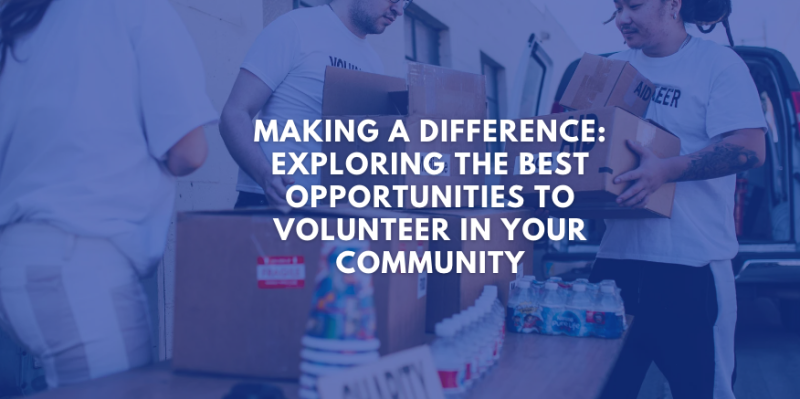
Are you ready to make a difference in your community? Volunteering is not only a rewarding experience but also a powerful way to contribute to society and create positive change. Whether you’re passionate about helping the less fortunate, protecting the environment, or promoting education, there are countless opportunities available to lend a helping hand. In this article, we will explore the best opportunities to volunteer in your community and highlight the various ways you can get involved. From local charities and nonprofit organizations to community outreach programs and environmental initiatives, there is something for everyone. Discover how you can make a lasting impact, connect with like-minded individuals, and gain a sense of fulfilment by giving back to your community. Let’s dive into the world of volunteering and find the perfect opportunity for you to make a difference.
The importance of volunteering in your community
Volunteering in your community is not just about doing good deeds; it is about making a lasting impact on the lives of others. By giving your time and skills, you can contribute to the betterment of society and create positive change in your community. When you volunteer, you become an active participant in addressing the challenges and issues faced by your community. Whether it’s helping the homeless, supporting education, or protecting the environment, your efforts can make a significant difference. By volunteering, you can also inspire others to get involved and create a ripple effect of positive change.
Volunteering also provides a platform for personal growth and development. It allows you to learn new skills, gain valuable experience, and broaden your perspective. Through volunteering, you can develop leadership skills, improve communication and teamwork abilities, and enhance your problem-solving capabilities. These skills are not only beneficial in your personal life but can also boost your career prospects. Many employers value volunteering experience as it demonstrates your commitment, compassion, and ability to work well with others.
Furthermore, volunteering provides a sense of fulfilment and happiness. Knowing that you have made a difference in someone’s life or contributed to a cause you care about brings a deep sense of satisfaction. Volunteering can also help you connect with like-minded individuals and build meaningful relationships. It provides an opportunity to meet people from diverse backgrounds who share a common goal of making the world a better place. Volunteering can be a source of inspiration, motivation, and support as you work together towards a shared vision.
In summary, volunteering in your community is important because it allows you to make a lasting impact, promotes personal growth and development, and brings a sense of fulfilment and happiness. By giving your time and skills, you can contribute to the betterment of society, inspire others, and create positive change.
Benefits of volunteering
Volunteering offers a multitude of benefits that extend beyond the impact you make on others. Whether you have a few hours to spare each week or are looking for a long-term commitment, volunteering can enrich your life in various ways. Let’s explore some of the key benefits of volunteering:
- Personal growth and development: Volunteering provides opportunities to learn new skills, gain experience, and expand your horizons. Whether it’s improving your communication skills through mentoring or learning organizational skills through event planning, volunteering offers a platform for personal growth and development.
- Enhanced well-being: Numerous studies have shown that volunteering is linked to improved mental and physical well-being. Engaging in meaningful activities, connecting with others, and making a difference can boost your overall happiness and satisfaction with life.
- Expanded social network: Volunteering allows you to meet people from diverse backgrounds who share similar interests and values. Building connections with like-minded individuals can lead to lifelong friendships and a stronger sense of community.
- Career advancement: Volunteering can provide valuable experience and skills that can enhance your professional life. Employers often value volunteering experience as it demonstrates your commitment, teamwork, and leadership abilities.
- Sense of purpose: Volunteering gives you a sense of purpose and meaning. Knowing that you are contributing to a cause you care about and making a difference in the lives of others can bring a deep sense of fulfilment.
In conclusion, volunteering offers personal growth and development opportunities, enhances well-being, expands your social network, can boost your career prospects, and provides a sense of purpose and fulfilment.
Different types of volunteering opportunities
When it comes to volunteering, there are countless opportunities to get involved. Depending on your interests, skills, and availability, you can choose from a wide range of volunteering options. Here are some of the different types of volunteering opportunities available:
- Volunteering with local non-profit organizations: Local non-profit organizations play a crucial role in addressing various social issues. Whether it’s supporting the homeless, providing food to those in need, or advocating for human rights, non-profit organizations rely heavily on volunteers. You can contribute your time and skills by assisting with fundraising events, organizing donation drives, or providing direct service to those in need.
- Volunteering in schools and educational programs: Education is the foundation for a better future. By volunteering in schools and educational programs, you can support students’ learning and development. You can become a tutor, mentor, or classroom assistant, helping students with their studies, providing guidance, and fostering a love for learning.
- Volunteering in healthcare and medical organizations: Healthcare and medical organizations often rely on volunteers to provide support and assistance. You can volunteer in hospitals, nursing homes, or clinics, offering companionship to patients, assisting with administrative tasks, or organizing health education programs.
- Volunteering in environmental conservation and sustainability projects: If you’re passionate about protecting the environment, there are numerous volunteering opportunities available. You can participate in tree-planting initiatives, clean-up campaigns, or wildlife conservation projects. Volunteering in environmental organizations allows you to contribute to a greener and more sustainable future.
- Volunteering in animal welfare and rescue organizations: If you have a love for animals, consider volunteering with animal welfare and rescue organizations. You can help care for animals in shelters, assist with adoption events, or participate in wildlife rehabilitation programs. By volunteering in these organizations, you can make a difference in the lives of animals and promote their well-being.
- Volunteering in community events and festivals: Community events and festivals are an integral part of building a vibrant and connected community. You can volunteer in organizing and coordinating these events, helping with logistics, marketing, or event management. Volunteering in community events allows you to contribute to the cultural fabric of your community and create memorable experiences for others.
- Volunteering internationally: If you’re looking for a more immersive volunteering experience, consider volunteering internationally. Some organizations offer opportunities to volunteer abroad, allowing you to contribute to projects in different countries. Whether it’s teaching English in a rural village or participating in sustainable development initiatives, volunteering internationally can broaden your horizons and provide a global perspective.
These are just a few examples of the different types of volunteering opportunities available. The key is to find an opportunity that aligns with your interests, values, and skills. By choosing an opportunity that resonates with you, you are more likely to stay motivated and make a meaningful impact.
How to find volunteering opportunities in your community
Now that you have an idea of the different types of volunteering opportunities available, you may be wondering how to find the right opportunity in your community. Here are some steps you can take to find volunteering opportunities:
- Research local organizations: Start by researching local organizations that align with your interests and values. Look for non-profit organizations, charities, or community groups that address the issues you care about. Visit their websites, read about their mission and values, and learn about the projects they are involved in.
- Attend community events: Attend community events, fairs, or volunteer expos in your area. These events often bring together various organizations and provide an opportunity to learn more about their work. You can speak directly with representatives from different organizations, ask questions, and find out how you can get involved.
- Reach out to your network: Talk to friends, family, and colleagues about your interest in volunteering. They may have connections or know of organizations that are looking for volunteers. Personal recommendations can be a valuable way to find volunteering opportunities.
- Utilize online resources: Some several online platforms and databases connect volunteers with organizations. Websites such as VolunteerMatch, Idealist, and All for Good allow you to search for volunteering opportunities based on location, interests, and skills. These platforms provide a convenient way to browse through various opportunities and connect with organizations.
- Contact local government or community centers: Local government offices and community centers often have information about volunteering opportunities in the area. Reach out to them and inquire about any ongoing projects or initiatives that require volunteers. They can provide guidance and connect you with relevant organizations.
- Consider your skills and availability: When searching for volunteering opportunities, consider your skills, availability, and preferences. Think about whether you prefer short-term or long-term commitments, whether you have specific skills that can be utilized, and how much time you can dedicate to volunteering. Finding an opportunity that aligns with your skills and availability will ensure a more fulfilling experience.
Remember, volunteering should be a mutually beneficial experience. As much as you are contributing your time and skills, the organization should provide a supportive and meaningful environment for you to thrive.
Volunteering with local non-profit organizations
Local non-profit organizations play a vital role in addressing various social issues and supporting the most vulnerable members of society. Volunteering with these organizations allows you to contribute directly to the betterment of your community. Here are some ways you can get involved with local non-profit organizations:
- Direct service: Many non-profit organizations require volunteers to provide direct service to those in need. This may involve serving meals at a soup kitchen, distributing clothing to the homeless, or providing support to individuals in crisis. Direct service allows you to have a hands-on impact by directly helping those who require assistance.
- Fundraising and event support: Non-profit organizations often rely on fundraising events to generate funds for their programs and services. You can volunteer to help organize and coordinate these events, assist with marketing and promotion, or provide support on the day of the event. Fundraising and event support are crucial for the sustainability of non-profit organizations.
- Administrative support: Behind the scenes, non-profit organizations require administrative support to ensure smooth operations. You can volunteer to assist with tasks such as data entry, filing, answering phone calls, or managing social media accounts. Administrative support allows the organization’s staff to focus on their core work while you provide valuable assistance.
When volunteering with local non-profit organizations, it is essential to familiarize yourself with their mission, values, and programs. Understand the population they serve and the challenges they face. This will allow you to contribute effectively and make a meaningful impact.
Volunteering in schools and educational programs
Education is the key to unlocking opportunities and creating a better future. By volunteering in schools and educational programs, you can support students’ learning and development. Here are some ways you can get involved:
- Tutoring: Many students require additional support to succeed academically. You can volunteer as a tutor, providing one-on-one or small group tutoring sessions. Whether it’s helping with homework, explaining difficult concepts, or providing study tips, your support can make a significant difference in a student’s academic journey.
- Mentoring: Mentoring involves building a supportive and nurturing relationship with a student. As a mentor, you can provide guidance, encouragement, and advice to help students navigate challenges and make informed decisions. Mentoring allows you to have a long-term impact on a student’s personal and academic growth.
- Classroom assistance: Teachers often appreciate volunteers who can assist in the classroom. This may involve helping with classroom management, organizing materials, or providing additional support to students who need it. Classroom assistance allows teachers to focus on instruction while you provide valuable assistance.
- Career talks and workshops: Share your knowledge and expertise by volunteering to give career talks or workshops in schools. You can provide insights into different career paths, discuss the skills required for various professions, and inspire students to pursue their passions. Career talks and workshops help students make informed decisions about their future.
When volunteering in schools and educational programs, it is important to respect the school’s policies and guidelines. Follow the instructions provided by teachers and administrators, and maintain confidentiality when necessary. Your role as a volunteer is to support the educational goals of the school and ensure a positive learning environment for students.
Volunteering in healthcare and medical organizations
Healthcare and medical organizations play a crucial role in providing essential services to individuals and communities. Volunteering in these organizations allows you to support healthcare professionals and contribute to the well-being of patients. Here are some ways you can get involved:
- Companionship: Many patients, especially those in hospitals or nursing homes, appreciate companionship and emotional support. As a volunteer, you can spend time talking to patients, reading to them, or engaging in recreational activities. Your presence can bring comfort and alleviate feelings of loneliness.
- Administrative support: Healthcare organizations often require administrative assistance to ensure smooth operations. You can volunteer to help with tasks such as filing, data entry, or answering phone calls. Administrative support allows healthcare professionals to focus on providing quality care to patients.
- Patient advocacy: Volunteer as a patient advocate, especially in healthcare settings where patients may require support in navigating the healthcare system. You can help patients understand their rights, provide information about available resources, and assist with communication between patients and healthcare professionals.
- Health education programs: Many healthcare organizations conduct health education programs to promote wellness and prevent diseases. Volunteer to assist with organizing and delivering these programs. You can provide information, resources, and support to individuals and communities, empowering them to make informed decisions about their health.
When volunteering in healthcare and medical organizations, it is important to respect patient confidentiality and follow the organization’s policies and guidelines. Your role as a volunteer is to enhance the quality of care provided and support the well-being of patients.
ALSO READ