

The Power of Art to Unite and Inspire
Art has always been a universal language—one that speaks directly to the soul. Across centuries and cultures, creative expression has acted as a mirror to society, reflecting our deepest hopes, struggles, and dreams. But beyond galleries and studios, a quieter, more grassroots movement is gaining momentum: community-based creative outreach.
At its core, this movement emphasises accessibility. Rather than existing in exclusive spaces, art becomes a shared experience, weaving itself into the fabric of everyday life. Through murals, pop-up performances, workshops, and more, community art outreach brings creative opportunities to neighbourhoods that might otherwise be overlooked. Whether it’s a child picking up a paintbrush for the first time or an elderly person rediscovering joy through storytelling, the impact is deeply personal—and profoundly collective.
This type of outreach not only fuels imagination but also fosters empathy, dialogue, and healing. It transforms blank walls into vibrant narratives and disconnected streets into hubs of expression. It’s not about creating perfect art—it’s about empowering people to find their voice and share it boldly.
From Grassroots to Greatness – Local Efforts Making Big Waves
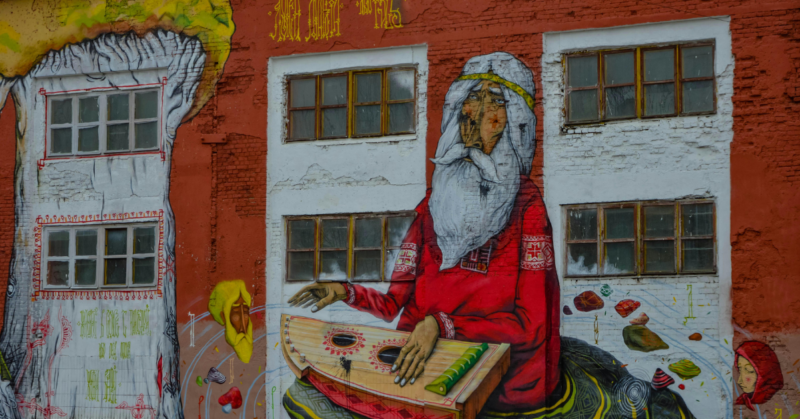
Around the world, incredible stories are emerging from grassroots art programs that began with little more than passion and painting. In many urban neighbourhoods, artists collaborate with residents to reclaim public spaces through colourful murals that speak to history, identity, and shared dreams. These projects often become catalysts for larger revitalisation efforts, turning neglected areas into thriving cultural landmarks.
In rural areas, mobile art vans and pop-up studios bring supplies and instructors to places with limited access to creative education. From inner-city skate parks to community centres in remote villages, the outreach is diverse and inclusive.
Take the story of a small group in Chicago that began painting abandoned buildings with portraits of local heroes. What started as a weekend initiative turned into a nonprofit offering after-school programs, mentorship, and creative therapy sessions. Today, this once-quiet group is a driving force in local policy changes related to youth engagement and public arts funding.
What these examples highlight is that community art outreach doesn’t need a massive budget or a celebrity face. It needs vision, consistency, and support—especially in the form of donations.
The Role of Donations in Keeping Art Accessible
Sustaining these efforts requires more than just creativity—it demands resources. While passion may light the fire, it’s practical support that keeps it burning. That’s where donations come in.
Many community-driven art programs operate on shoestring budgets. Supplies, space rentals, transportation, and even snacks for participants all cost money. And yet, the returns—boosted confidence, reduced crime rates, higher school engagement—are immeasurable.
Monetary contributions aren’t the only way to help. Donations can come in the form of art supplies, instruments, books, or even your time and talent. Maybe you have an old easel collecting dust, or a few hours a week to teach a music class. Every offering, big or small, makes a difference.
What makes art outreach especially powerful is its ripple effect. One donated brushstroke can inspire a child to become an artist, a designer, or simply a more confident individual. One shared poem can heal old wounds. One volunteer-led mural can bring a fractured neighbourhood together. When you donate, you’re not just funding a project—you’re investing in hope, creativity, and connection.
How You Can Be a Catalyst for Creative Change
You don’t need to be an artist to be part of this movement. You just need to care.
Here are a few ways to get involved:
- Research and support local programs: Find art initiatives in your area that align with your values. Whether it’s youth-focused, culturally specific, or centred on mental health, there’s likely a cause that speaks to you.
- Organise a donation drive: Rally your friends, workplace, or school to collect materials or funds for a nearby outreach program.
- Partner with artists: If you’re a business owner or event organiser, consider commissioning local artists or offering space for exhibitions and workshops.
- Spread the word: Share the stories and impact of community art outreach donations on your social platforms. Awareness is the first step toward action.
By supporting these initiatives, you’re not just decorating walls—you’re shaping futures. You’re proving that creativity is not a luxury but a necessity, especially in communities craving expression, understanding, and healing.
Be the change your community needs. Whether it’s a dollar, a doodle, or a day of your time, your contribution matters. Support community art outreach programs today and help colour the world with hope. Donate—and make a difference.