


The Hidden Barrier: Distance as a Deterrent to Education
In many rural communities, education is not just a matter of access to schools or qualified teachers—it’s a matter of getting there in the first place. For children living in remote villages, the journey to school can stretch across long, dusty roads, unpredictable weather, and unsafe routes. The school might be just a few miles away, but without a reliable means of transportation, those miles can become insurmountable obstacles.
While city children hop on buses or walk short distances to school, rural students often face the grim choice between staying safe and staying educated. This is where the rural school transportation fund becomes a crucial lifeline. It’s not just a fund—it’s the fuel that powers dreams, the wheels that carry ambition, and the bridge between potential and opportunity.
Stories That Drive Change: Real Lives Behind the Wheels
Take the story of Amina, a 10-year-old girl from a mountainous region in northern Kenya. Before her village received funding support, she had to walk 8 kilometres each way to attend school. Rainy seasons meant flooded rivers and muddy paths. Often, Amina missed classes, arriving exhausted when she did attend. Her grades suffered, and so did her motivation.
Everything changed when a donor-supported rural school transportation fund brought a second-hand minibus to the village. Now, Amina and her peers are picked up daily, their school attendance has risen dramatically, and their grades are improving. More importantly, they are safer, healthier, and full of hope.
Such stories are not isolated. In rural parts of India, South America, and Sub-Saharan Africa, the introduction of school transportation options—funded by compassionate contributors—has dramatically improved literacy rates, school retention, and gender parity in education.
More Than a Ride: The Ripple Effect of Educational Access
Investing in a rural school transportation fund goes beyond giving a child a ride to school—it sets off a ripple effect that benefits entire communities. When children receive consistent education:
- Health awareness increases as they learn about hygiene, nutrition, and disease prevention.
- Girls are empowered, reducing early marriages and increasing chances for independent futures.
- Economic development accelerates, as a more educated population leads to skilled workers and entrepreneurs.
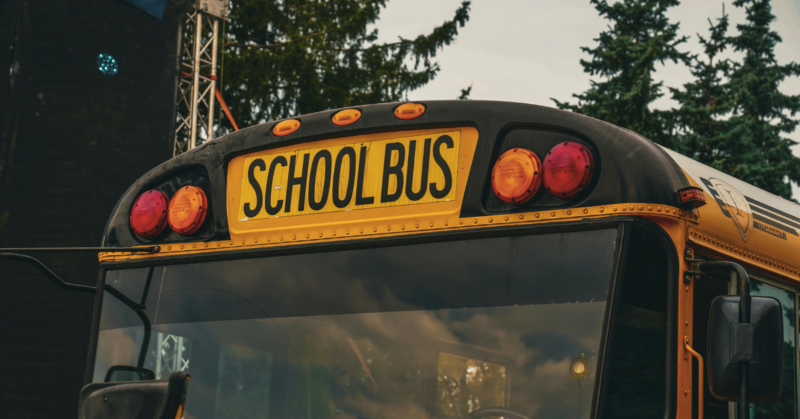
Furthermore, these transport systems often create local jobs—drivers, mechanics, and program coordinators—stimulating small economies in these underdeveloped areas. A simple minivan or school bus thus becomes a mobile unit of social progress.
How You Can Drive Change Today
The power to make a difference lies in collective compassion and action. While governments and NGOs have taken steps to address this gap, the scale of the challenge demands wider participation. Donating to a rural school transportation fund is one of the most direct and impactful ways to support education in disadvantaged areas.
These funds help:
- Purchase and maintain school buses, bicycles, or boats—depending on the terrain.
- Train drivers and manage vehicle logistics.
- Cover fuel, repairs, and insurance to ensure long-term sustainability.
With even a small donation, you can be part of a child’s journey toward a better future. Whether it’s $10 or $1,000, your contribution goes a long way in turning the wheels of change.
Conclusion
Every child deserves the right to an education—and the means to reach it. No child should be forced to choose between their safety and their schooling. By supporting transportation for rural students, we are not only addressing an immediate need but laying down tracks for lifelong transformation.
Make a difference today. Contribute to a rural school transportation fund and help us drive children to their dreams.