


The Invisible Workforce Behind Our Progress
Migrant workers are the unsung heroes of many economies. They build our cities, harvest our food, clean our offices, and care for our elderly. Yet, when it comes to basic human rights—especially the right to healthcare—these individuals are often left in the shadows. The harsh truth is that healthcare access for migrant workers remains a persistent global issue.
These individuals are frequently excluded from national health systems due to their legal status, lack of documentation, language barriers, or fear of deportation. In many countries, even those who contribute to social security or taxation still find it difficult to access healthcare services. In some cases, they work under exploitative conditions that not only strain their physical health but also make it impossible to seek medical help without risking their employment—or worse, their residency.
It’s ironic. The very people we rely on to maintain and grow our societies are often denied the most basic forms of protection. This injustice is not just a humanitarian concern—it’s a public health issue that affects us all.
The Cost of Being Unseen and Unheard
The consequences of poor healthcare access for migrant workers ripple far beyond the individual. Without regular checkups, vaccinations, or treatment for chronic illnesses, minor health issues often escalate into severe conditions. These untreated health problems don’t just impact workers’ lives—they strain emergency services, reduce productivity, and increase public health risks.
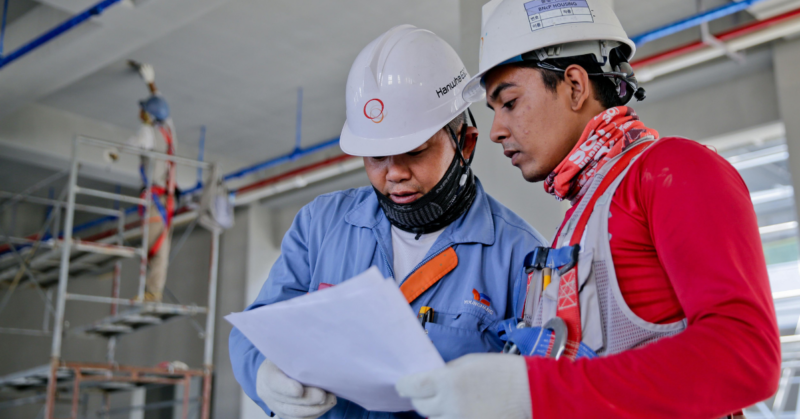
Consider this: a construction worker without access to medical care continues working with untreated injuries or illnesses, which leads to decreased output and possible workplace accidents. Or think of a domestic worker who can’t afford time off or medical bills, silently suffering through infections that could otherwise be easily treated. These are not isolated incidents—they are systemic failures that reveal a gap in how we value human dignity.
For female migrant workers, the situation is even more dire. Without prenatal care, reproductive health services, or protection against abuse, they face a compounded risk. And when their health deteriorates, families back home suffer, creating a vicious cycle of poverty and pain.
Pioneering Change—One Community at a Time
Thankfully, there are sparks of hope. Some organizations and governments have started to recognize the need for inclusive health policies. Mobile clinics, non-governmental health programs, and localized language-friendly services are breaking down barriers and restoring dignity to marginalized communities.
In Thailand, for instance, migrant-friendly hospitals are emerging in provinces with high concentrations of foreign workers. In Canada, some provinces have implemented community health programs that prioritize underserved populations, including undocumented migrants. These initiatives prove that change is possible.
On a smaller scale, community-led projects—often powered by volunteers and donations—have made a massive difference. Health literacy workshops, donation-funded health kits, and mental health counseling provided by cultural liaisons are offering real hope where traditional systems have failed. These initiatives show that we don’t need to wait for governments to act—we can create change from the ground up.
Still, much remains to be done. The conversation around healthcare access for migrant workers must evolve from a fringe issue to a mainstream policy priority. And for that, we need not only awareness but also action.
Your Role in Creating a Healthier, Fairer World
If you’ve made it this far, chances are you care about justice, health, and community. But caring is just the beginning. Every individual has the power to drive change. You don’t need to be a politician or a doctor to make a difference—you just need to act.
Here’s how:
- Educate yourself and others about the systemic issues affecting migrant health.
- Support local initiatives that offer free or low-cost healthcare services to underserved populations.
- Vote for inclusive policies and urge your representatives to prioritize human rights in public health planning.
- Volunteer your time or use your professional skills to support grassroots organizations.
- Donate generously to causes that are actively working to ensure healthcare access for migrant workers.
When we talk about equality, healthcare must be part of the conversation. The right to be treated, to recover, to live a healthy life—these should not be luxuries reserved for the privileged. They should be guaranteed, no matter your passport, income, or job.
Migrant workers have always shown up for us. It’s time we show up for them.
Make a Difference Today
Millions of migrant workers around the world are living without the safety net of basic healthcare. But together, we can change that.
Donate today to organizations fighting for healthcare access for migrant workers. Your contribution can help fund mobile clinics, language interpreters, legal assistance, mental health programs, and so much more. Even the smallest gift can have a life-saving impact.
Let’s build a world where no one is left behind—because everyone deserves the chance to live a healthy, dignified life.