


Understanding the Lifeline: What Emergency Shelters Need
Emergency shelters exist as safe havens for individuals and families caught in the whirlwind of crisis—whether due to natural disasters, domestic violence, economic hardship, or homelessness. While their core mission is to provide temporary shelter and safety, these facilities are often under immense pressure to meet basic human needs, especially food.
Feeding dozens, sometimes hundreds, of people each day requires more than goodwill—it demands a reliable and consistent supply of nutritious food. Unfortunately, many shelters operate on tight budgets and limited donations. This is where the concept of an emergency shelter food supply drive becomes not only helpful but essential. These community-led initiatives can bridge the gap between scarcity and sustenance, turning compassion into tangible support.
A single food drive can mean the difference between hunger and hope. But to be truly impactful, it must be intentional, organized, and community-driven.
The Power of Collective Generosity
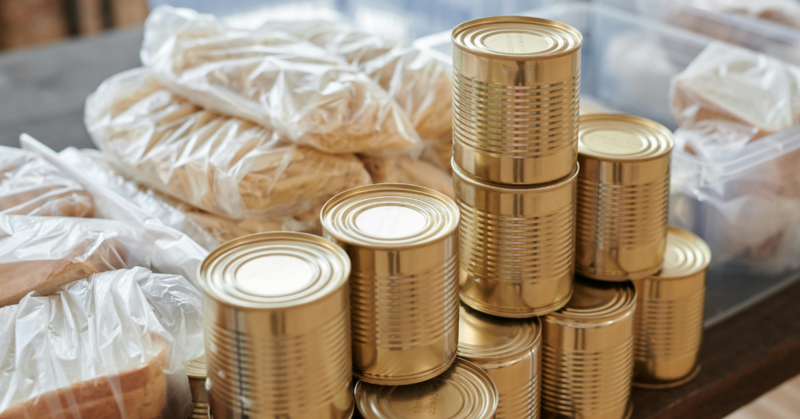
When communities unite for a cause, extraordinary things happen. A well-organized food supply drive for emergency shelters doesn’t just fill pantries—it fosters empathy and solidarity. Imagine school children donating cans of soup, local grocers offering surplus produce, and volunteers sorting meals with purpose and pride. Each act of giving weaves into a larger story of communal strength.
Collective generosity creates ripples that extend far beyond a single event. It educates participants about local needs, fosters relationships between donors and nonprofits, and often inspires future contributions. When people see the direct results of their efforts—smiles from a hot meal served, or gratitude expressed by shelter staff—they’re more likely to remain engaged.
Moreover, food drives present a unique opportunity for diverse sectors to collaborate: local businesses, religious institutions, schools, and neighborhood groups. Each has resources and networks that can exponentially amplify the impact.
Planning a Purpose-Driven Food Drive
If you’re inspired to take action, organizing a successful emergency shelter food supply drive can be incredibly rewarding. Here’s how to ensure it’s both meaningful and effective:
Step 1: Connect with a Local Shelter
Reach out to understand their specific food needs. Some shelters may prefer canned goods, while others might need baby formula, snacks, or ready-to-eat meals. Don’t assume—ask.
Step 2: Set Clear Goals and Timelines
Define what success looks like. Is it 500 canned meals? Two weeks of breakfast supplies? Create a collection deadline and advertise it widely to maintain urgency.
Step 3: Rally the Troops
Use social media, school newsletters, or community bulletin boards to spread the word. Share why this drive matters and how participants can help.
Step 4: Make It Easy to Donate
Offer multiple drop-off locations or coordinate with local businesses to act as collection points. If possible, accept online donations for bulk food purchases.
Step 5: Celebrate the Impact
After delivering the collected supplies, share updates with donors. Post photos, quotes, and stats to show how their efforts made a difference.
These steps can transform a simple idea into a well-oiled machine of compassion and logistics, leaving a lasting imprint on your community.
The Deeper Impact: More Than Just a Meal
The effects of an emergency shelter food supply drive stretch far beyond what’s visible. For those seeking refuge in a shelter, a warm, nourishing meal is more than calories—it’s comfort. It’s proof that someone out there cares. It’s the first step toward restoring dignity and hope.
Food security in shelters can also improve mental and physical health, reduce stress, and support recovery journeys. For children, it means better concentration in school. For adults, it may provide the strength needed to apply for jobs or care for their families.
On the other end, donors and organizers experience personal growth. They become more aware of social issues, more connected to their neighborhoods, and more empowered to be agents of change. What starts as a donation becomes a story of transformation—for both the giver and the receiver.
Help Feed a Better Future
The need is real, and the time to act is now. Your contribution—whether it’s a bag of rice, a box of cereal, or an hour of your time—can spark a chain reaction of hope.
Join or start an emergency shelter food supply drive in your community today. Partner with local shelters, gather your friends and become part of something bigger than yourself. A single meal can make a world of difference—and that difference begins with you.
Let’s feed hope, restore dignity, and build stronger communities—one donation at a time.