


The Blaze That Burned More Than Fields
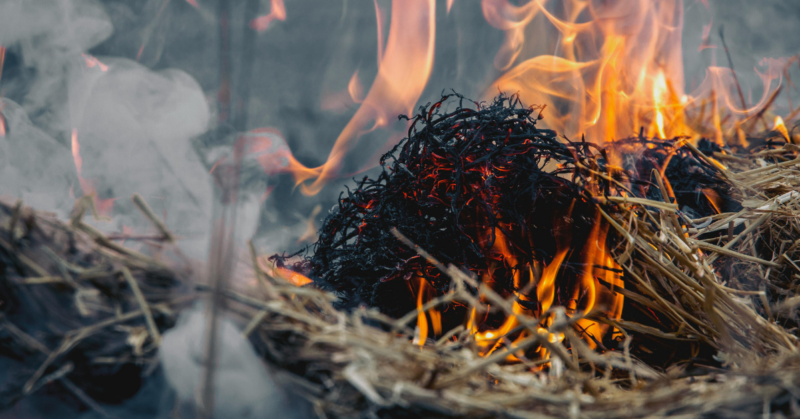
Wildfires don’t just consume trees and grasslands; they consume livelihoods. For many small-scale farmers, a single fire can erase decades of hard work, leaving behind nothing but charred remnants of homes, barns, crops, and dreams. Unlike large agricultural corporations, small farms often lack the deep pockets, insurance buffers, and rapid response systems to bounce back.
When disaster strikes, these resilient communities are thrust into survival mode. Beyond the immediate danger of flames, they face long-term consequences-lost harvests, damaged equipment, contaminated water supplies, and displaced livestock. What’s often overlooked, however, is the long and painful road toward financial recovery for fire-affected small farms, which goes far beyond just rebuilding structures. It’s about restoring dignity, stability, and self-sufficiency.
The True Cost of a Lost Season
Imagine the heartbreak of watching your entire season’s labour reduced to ash. For small farm owners, that heartbreak is followed by mounting bills and zero income. Are these seeds for the next season? Gone. Irrigation lines? Melted. Fencing for livestock? Destroyed. Insurance, when available, often falls short or is delayed due to bureaucracy. Meanwhile, the cost of living doesn’t pause.
The aftermath also affects surrounding communities. These small farms are not just economic units; they are cultural hubs, employers, and providers of local food. Their loss disrupts food chains, local markets, and family traditions. Financial institutions are often reluctant to lend to fire-hit farms without guarantees, which many can’t offer anymore.
Efforts around financial recovery for fire-affected small farms must go beyond emergency aid. They require sustainable programs-low-interest loans, community grants, mental health support, training for climate resilience, and policy reform that prioritizes smallholders in recovery efforts.
Stories of Resilience: How Communities Are Fighting Back
Despite the devastation, stories of resilience are emerging from the ashes. In parts of California, Australia, and Southern Europe, local farming communities are rallying together to rebuild not just their farms but their futures. Farmer cooperatives are pooling resources to purchase shared equipment. Local NGOs are offering seed kits and temporary storage facilities. Urban volunteers are arriving to help replant. These actions are inspiring, but they are not enough on their own.
Crowdfunding campaigns have raised thousands for individual farmers, but more structured support is necessary. Governments and private organizations must recognize that financial recovery for fire-affected small farms is not charity-it’s an investment in food security, rural economies, and environmental stewardship.
Innovation is also playing a role. Some farms are adopting regenerative agriculture practices, creating natural firebreaks, and using fire-resistant crops. Others are turning to agri-tourism and community-supported agriculture (CSA) models to diversify their income. With the right support, these small farms can come back even stronger-more sustainable, more diverse, and more resilient to future crises.
How You Can Help Rekindle Hope
If you’re reading this and wondering how to help, know that even a small gesture can spark lasting change. You don’t have to live near farmland to support its recovery. You can:
- Donate to verified funds aimed at fire recovery for small farms.
- Support local farmers’ markets, especially those rebuilding after wildfires.
- Advocate for climate-resilient farming policies at the local and national levels.
- Share their stories on social media to raise awareness.
The journey toward financial recovery for fire-affected small farms is a long one-but it’s a road we can all walk together. These farms need more than just aid; they need partners, allies, and champions who believe in the future of local food, environmental balance, and community resilience.
Conclusion
The heart of a community beats in the fields, barns, and gardens of its farmers. When they fall, we all feel the impact. But when we help them rise again, we sow the seeds of a stronger, kinder, more sustainable world.
Now is your chance to be part of the solution.
Donate to initiatives that support financial recovery for fire-affected small farms. Your contribution can help a family replant their orchard, restock their greenhouse, or rebuild their barn. Let’s not wait for another tragedy to act-let’s nurture recovery now.
Donate and be the change your society needs.