


Introduction: The Critical Need for Local Disaster Recovery Volunteer Support
Disasters, whether natural or man-made, have a devastating impact on communities. From hurricanes and earthquakes to wildfires and floods, the aftermath leaves behind not just physical damage but also emotional and social scars. When tragedy strikes, the resilience of a community is tested, and one of the most crucial elements for rebuilding is local disaster recovery volunteer support.
In every affected region, volunteers play a significant role in the recovery process. These individuals often give up their time, resources, and energy to help others in need. Without their dedication and selflessness, the journey to recovery would be much longer and harder. This blog post will explore the importance of volunteer support in disaster recovery, highlight the impact of local efforts, and encourage readers to take action.
1. The Role of Volunteers in Disaster Recovery Efforts
When a disaster occurs, local authorities, emergency services, and organizations typically lead the initial response efforts. However, as the immediate danger subsides, the focus shifts to recovery, where the involvement of local disaster recovery volunteer support becomes paramount. Volunteers can assist in several key areas:
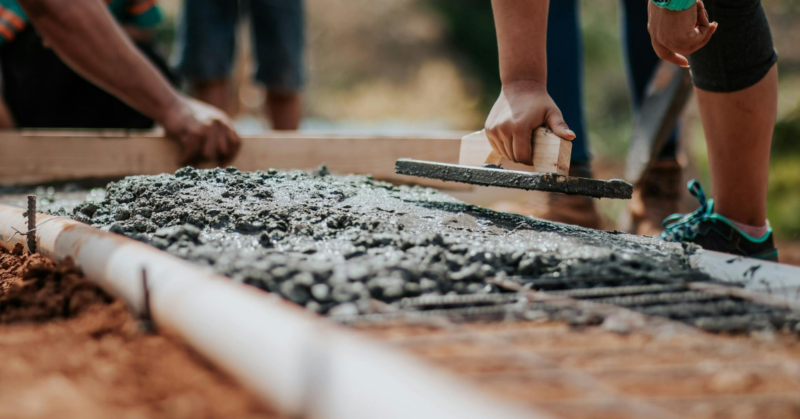
- Physical Labor: Whether it’s clearing debris, rebuilding homes, or delivering supplies, volunteers perform the heavy lifting required to restore the community.
- Emotional Support: The emotional toll of a disaster is often underestimated, and volunteers offer essential support to help individuals cope with trauma.
- Resource Distribution: Volunteers help distribute food, water, clothing, and other necessary items, ensuring that people in need receive immediate assistance.
- Community Engagement: Volunteers help coordinate efforts within the community, bringing people together and ensuring that resources are used effectively.
The contributions of local volunteers are irreplaceable. They bring a sense of hope, a commitment to rebuilding, and a deep understanding of the community’s needs.
2. How Local Volunteer Support Helps Build Stronger Communities
One of the often overlooked aspects of local disaster recovery volunteer support is its power to strengthen communities. In times of crisis, neighbours help neighbours, and bonds are formed in ways that weren’t possible before. The collective effort of rebuilding a community creates a sense of unity that endures long after the disaster has passed.
When local volunteers work side by side, it fosters collaboration and social cohesion. The bonds created during recovery efforts can make the community more resilient to future disasters. Volunteers often have deep ties to the area, and their involvement shows a strong commitment to the future of their neighbourhoods.
Additionally, the impact of local disaster recovery volunteer support extends beyond immediate recovery efforts. Volunteers help lay the groundwork for long-term resilience by advocating for stronger infrastructure, better emergency preparedness, and community-wide disaster prevention initiatives. They contribute not only to physical recovery but also to the social, economic, and psychological rebuilding of communities.
3. Why Local Volunteer Efforts Are More Effective than National or International Aid
While national and international aid organizations play a vital role in disaster recovery, there is something unique and invaluable about local disaster recovery volunteer support. Volunteers from within the community possess an in-depth understanding of the area’s specific needs, culture, and resources. They know the local infrastructure, which allows for more efficient coordination of aid and a faster recovery process.
Local volunteers also have the advantage of being familiar with the people they’re helping, which builds trust and ensures that the assistance provided is more personal and relevant. This kind of support is harder to achieve when external organizations are involved, simply because they may not have the same connection to the affected individuals.
Moreover, local volunteers are often more readily available and accessible in the aftermath of a disaster. They can respond quickly to immediate needs, such as rescuing stranded individuals or offering shelter to those who have lost their homes. In contrast, it can take days or even weeks for national or international aid to mobilize effectively.
4. How You Can Contribute: Volunteering and Donating to Support Local Disaster Recovery
While large-scale recovery efforts are important, they often require the combined efforts of individuals within the community. Local disaster recovery volunteer support is essential for ensuring that recovery efforts are sustainable and address the specific needs of those affected.
If you’re wondering how you can help, there are several ways to contribute:
- Volunteer your time: Many local disaster relief organizations rely on volunteers for their recovery operations. Whether it’s through physical labour, administrative support, or community outreach, your time and effort can make a huge difference.
- Donate resources: If you’re unable to volunteer, donating goods such as food, clothing, and supplies is an excellent way to support recovery efforts. Many communities also need financial donations to help with rebuilding infrastructure and providing long-term support.
- Raise awareness: Use your social media platforms or local networks to spread the word about the ongoing recovery efforts. Sharing information about volunteer opportunities or donation drives can rally more people to get involved.
Local disaster recovery volunteer support is an opportunity to make a meaningful contribution to your community. Every small act of kindness, every hour of volunteering, and every donation adds up to create a ripple effect that can transform the lives of those who have been impacted by disaster.
Conclusion: Making a Difference Starts with You
As we’ve seen, local disaster recovery volunteer support plays an essential role in the healing process of a community. Volunteers are the backbone of the recovery process, and their dedication and selflessness cannot be overstated. The importance of local efforts in disaster recovery goes beyond physical rebuilding; it helps to restore hope, forge connections, and create stronger, more resilient communities.
So, what can you do to help? Whether you volunteer your time, donate resources, or simply raise awareness, you have the power to make a difference. Every community is vulnerable to disasters, and your support can have a lasting impact.
Don’t wait for disaster to strike—become a part of the solution today. Volunteer your time, donate to local recovery efforts, and help your community rebuild. Together, we can create a world where recovery is faster, stronger, and more compassionate. Make a difference today.